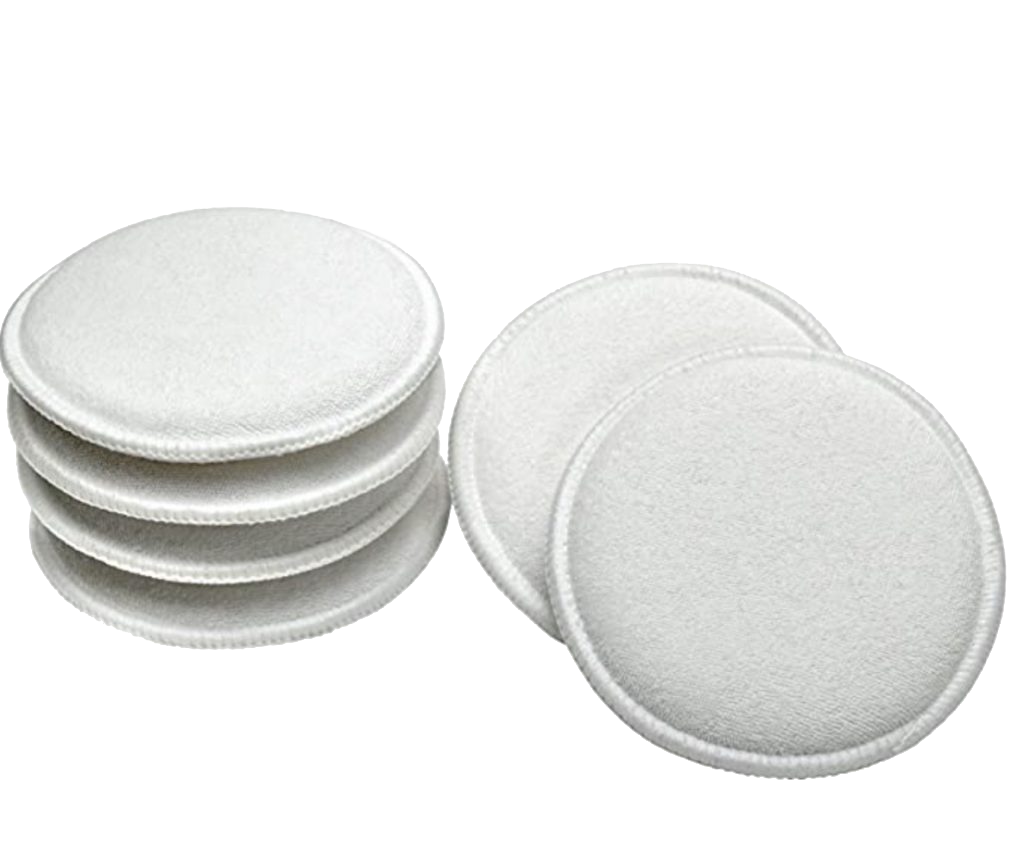
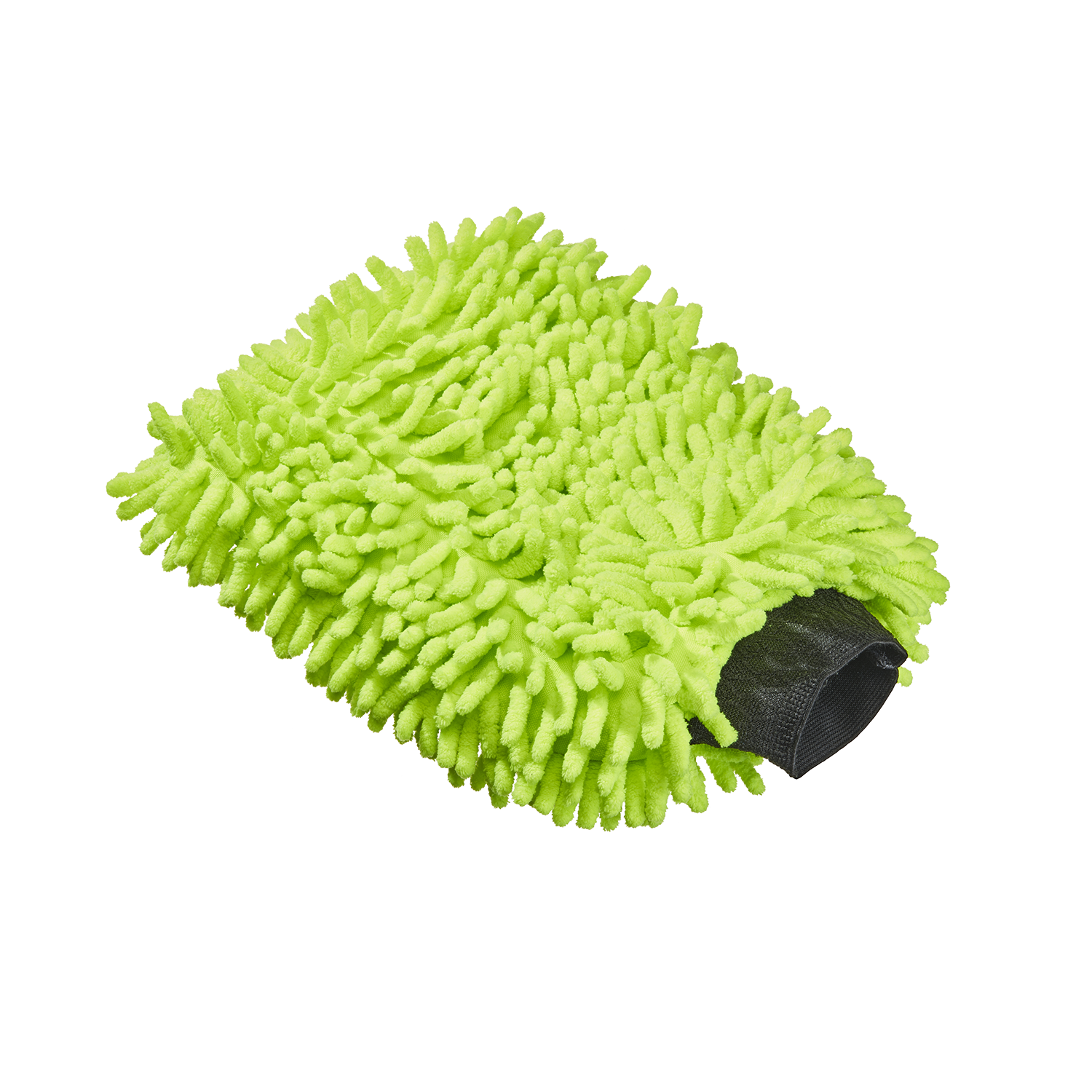
How to Clean a Leather Steering Wheel (Safely)November 2026 How to Clean a Leather Steering Wheel (Safely) Your steering wheel is the part of the interior your hands touch most. Skin oils, sunscreen, lotion, and sweat build up on it, and the leather slowly turns shiny, slick, and sticky. The fix is simple. It takes a gentle cleaner, a soft brush, and a few minutes. The mistakes that cause damage are just as simple: harsh chemicals, too much liquid, and skipping conditioner. This guide covers the full routine, the tools that matter, and the habits that keep a wheel looking factory-fresh. Nexgen Detailing built it from the guidance that kept coming up in the care guides we reviewed and from standard detailing practice. What Actually Builds Up on a Steering Wheel Most of the grime on a steering wheel is body oil mixed with dust. Over time it creates three problems: Shine. A glossy, greasy look on the 9 and 3 o'clock positions is dirt, not "broken-in" leather. Stickiness. Oils and lotions break down into a tacky film. Wear. Grit trapped in that film acts like fine sandpaper every time you turn the wheel. Regular, gentle cleaning stops the film before it becomes a permanent finish problem. Before You Start: Is It Really Leather? Check first, because the method changes with the material. Genuine or coated leather: Use the process below. Most modern wheels have a protective topcoat over the leather. Alcantara or suede-style wheels: These need a dry brush and a suede-safe cleaner, not standard leather products. Vinyl or "leatherette": The same gentle approach works, but conditioner matters less. If you are unsure, check your owner's manual. Some manufacturers specify a care product, and that guidance takes priority over general advice. Tools and Products You'll Need Item Purpose Best for Soft detailing brush (horsehair or soft synthetic) Lifts dirt from the grain and stitching Textured or perforated leather pH-neutral leather cleaner Dissolves oils without stripping the finish Routine cleaning Clean microfiber towels (2-3) Apply, wipe, and dry Every step Water-based leather conditioner Restores moisture and a natural finish After cleaning Interior vacuum with brush attachment Removes loose grit The first step, every time Quality microfiber and soft brushes are where a lot of the difference shows up. Browse the Nexgen accessories collection for microfiber towels and detailing tools that hold up to repeated washing. How to Clean a Leather Steering Wheel, Step by Step 1. Park in the shade and let the wheel cool A hot wheel dries cleaner too fast and leaves streaks. Work in the shade, or wait until the interior has cooled. 2. Dry-clean first Vacuum or dust the wheel, including the spokes, the stitching, and the hub. Loose grit rubbed into leather scratches the finish. Skipping this step is one of the most common causes of dull, scuffed wheels. 3. Apply cleaner to the towel, not the wheel Spray a small amount of pH-neutral leather cleaner onto a damp microfiber towel. Never soak the leather or spray directly onto the wheel. Overspray can reach the airbag cover, buttons, and switchgear. 4. Wipe in sections Work around the rim in small sections, the way you would clean a car panel. Use light pressure. The cleaner does the work, so you do not need to scrub. 5. Agitate textured areas gently If the grain is pronounced or the wheel has stitching, use a soft brush with small circular motions. This lifts the trapped oils that a towel glides over. Keep the pressure light, because a stiff brush can mar the topcoat. 6. Wipe clean and dry Follow with a second, clean, slightly damp microfiber to lift the residue, then dry the wheel with a dry towel. Leaving moisture on the leather invites streaks and, over time, can dry the surface out. 7. Condition the leather Apply a small amount of water-based conditioner to an applicator or towel, and work it in evenly. Let it absorb, then buff off any excess. Several care guides recommend avoiding silicone- or petroleum-heavy conditioners because they can leave a slick, greasy feel. A wheel should feel grippy, not slippery, so a light touch is key. What NOT to Use Reviewers and manufacturer guides repeatedly point to the same culprits: Alcohol-based wipes and hand sanitizer. Alcohol can dry out and crack leather over time. It is easy to transfer from your hands to the wheel without noticing. All-purpose household cleaners. Many are too alkaline for automotive leather. Stiff brushes or abrasive pads. They wear through the protective topcoat. Excess water. Soaked leather can stiffen and show water marks. Plastic wheel covers. Some manufacturers advise against them. They trap moisture and can rub the finish. Also, rings and other sharp objects can mark the leather, so it helps to be mindful of them while driving. How Often Should You Clean It? Situation Suggested routine Daily driver, light use Quick wipe every 1-2 weeks, full clean monthly Hot climate, frequent sunscreen or lotion use Full clean every 2-3 weeks Garage-kept weekend car Full clean every 2-3 months Conditioning Every few months, or when the leather feels dry A quick dry-microfiber wipe each week is the easiest habit. It removes surface oils before they bond. Fixing a Shiny or Sticky Wheel If the wheel is already glossy or tacky, a single pass may not be enough. Repeat the clean-and-agitate steps once or twice, using a fresh section of towel each time. Let the leather dry fully. Condition lightly. If stickiness returns quickly, the cause is usually leftover product or heavy hand lotion, not the leather itself. Clean thoroughly, go easy on conditioner, and the grippy factory feel usually comes back. Protecting the Rest of Your Interior A clean wheel looks out of place in a neglected cabin. Clean the surrounding surfaces as part of the same session: Start with our ultimate guide to cleaning your car interior for the full top-to-bottom order of work. Use the same leather method on your seats, as covered in how to clean leather car seats. If you prefer a second walkthrough focused on the wheel, see our detailed steering wheel cleaning guide. Don't forget the glass. A hazy windshield ruins the look of a spotless cockpit, so follow these three windshield cleaning steps. For more detailing technique, the Nexgen blog has guides covering the whole car. Where to Buy Detailing Supplies Nexgen products are available at: The official store at getnexgen.com, which is best for bundles, warranty, and the full range Amazon (Nexgen's official storefront) O'Reilly Auto Parts, in-store and at oreillyauto.com Walmart, for select products FAQ Can I use baby wipes or disinfectant wipes on a leather steering wheel? It is best not to. Many contain alcohol or other ingredients that can dry leather over time. A damp microfiber and a pH-neutral cleaner is the safer routine. Do I need conditioner every time I clean? No. Clean as often as needed, and condition every few months or when the leather feels dry or stiff. Over-conditioning is a common cause of a slick wheel. How do I clean the stitching? Use a soft brush with a small amount of cleaner on the bristles, and work along the seam with light pressure. Wipe the area afterward with a clean, damp microfiber. Is it safe to clean around the airbag area? Yes, if you apply product to the towel rather than the wheel, and avoid soaking the hub or letting liquid run into the seams and switches. Why does my steering wheel get sticky again so fast? Usually it is body oils, hand lotion, or product residue. Clean thoroughly, remove all residue, and use conditioner sparingly. The Bottom Line Cleaning a leather steering wheel comes down to a short list of habits: vacuum first, use a pH-neutral cleaner on a towel, agitate gently, dry thoroughly, and condition occasionally. Skip alcohol and harsh chemicals, and the wheel will stay grippy, matte, and comfortable for years. Pair the routine with good microfiber and a soft brush, and you will get professional-looking results at home. Back to blog