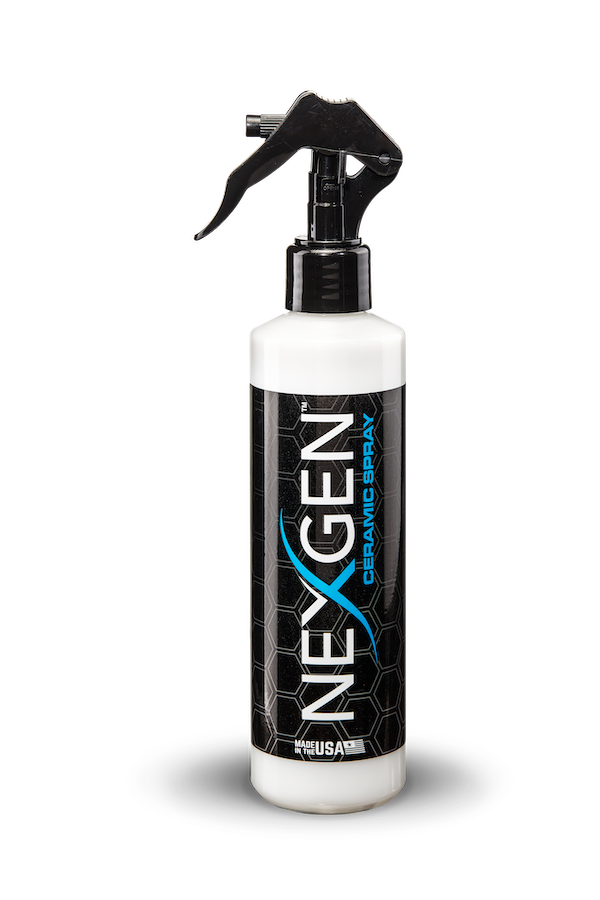
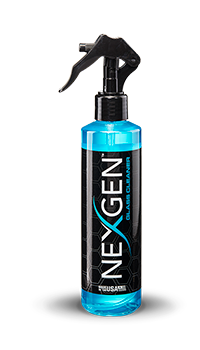
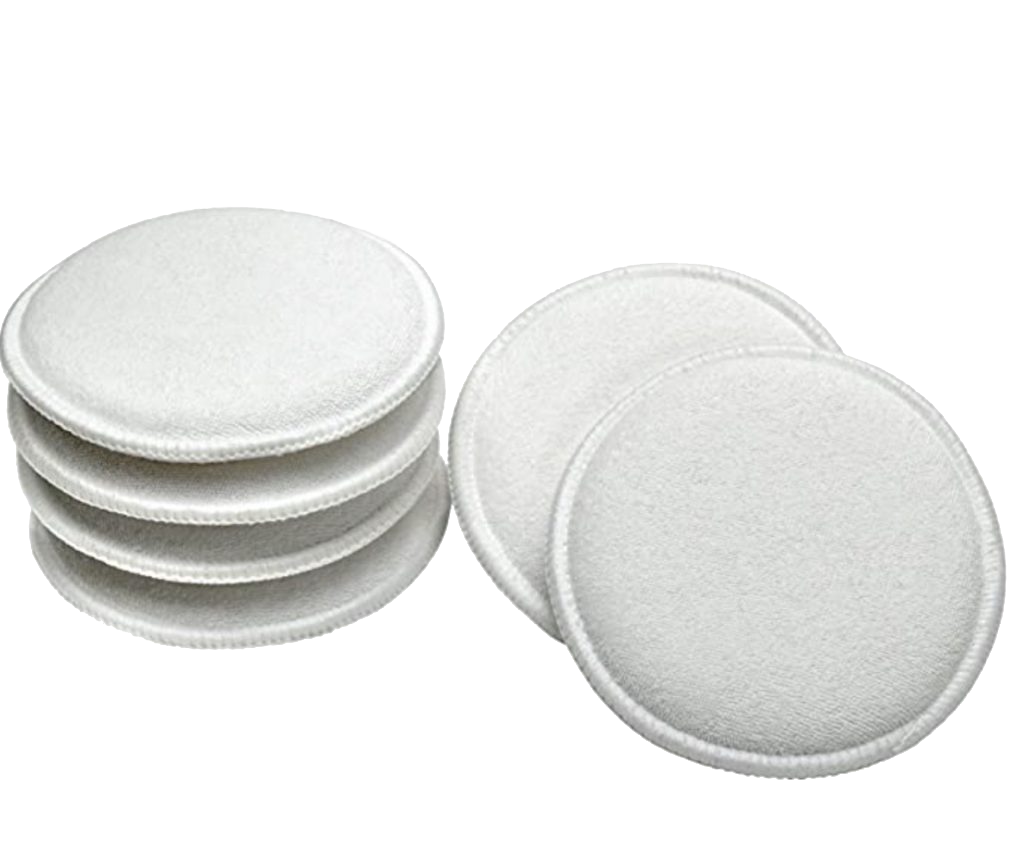
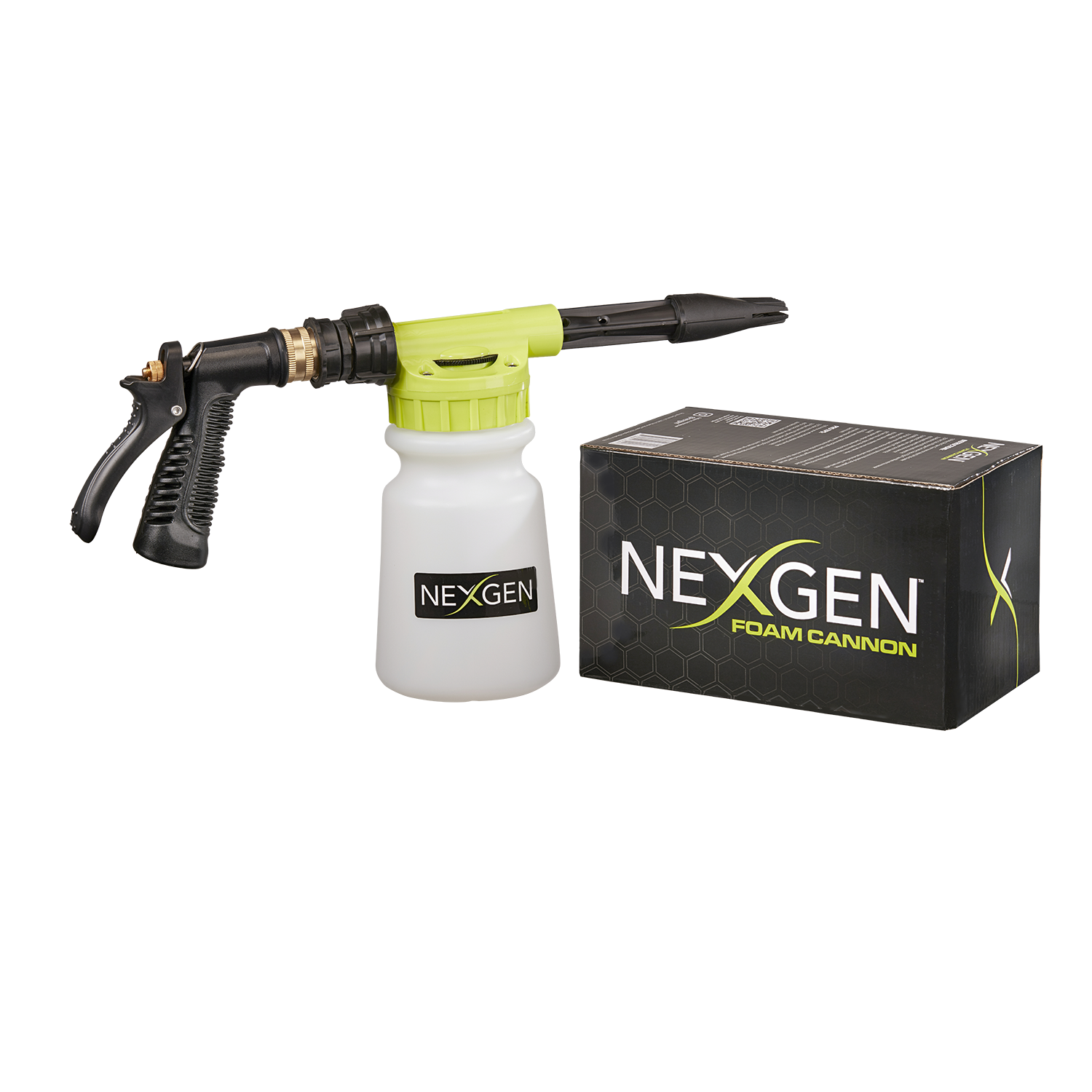
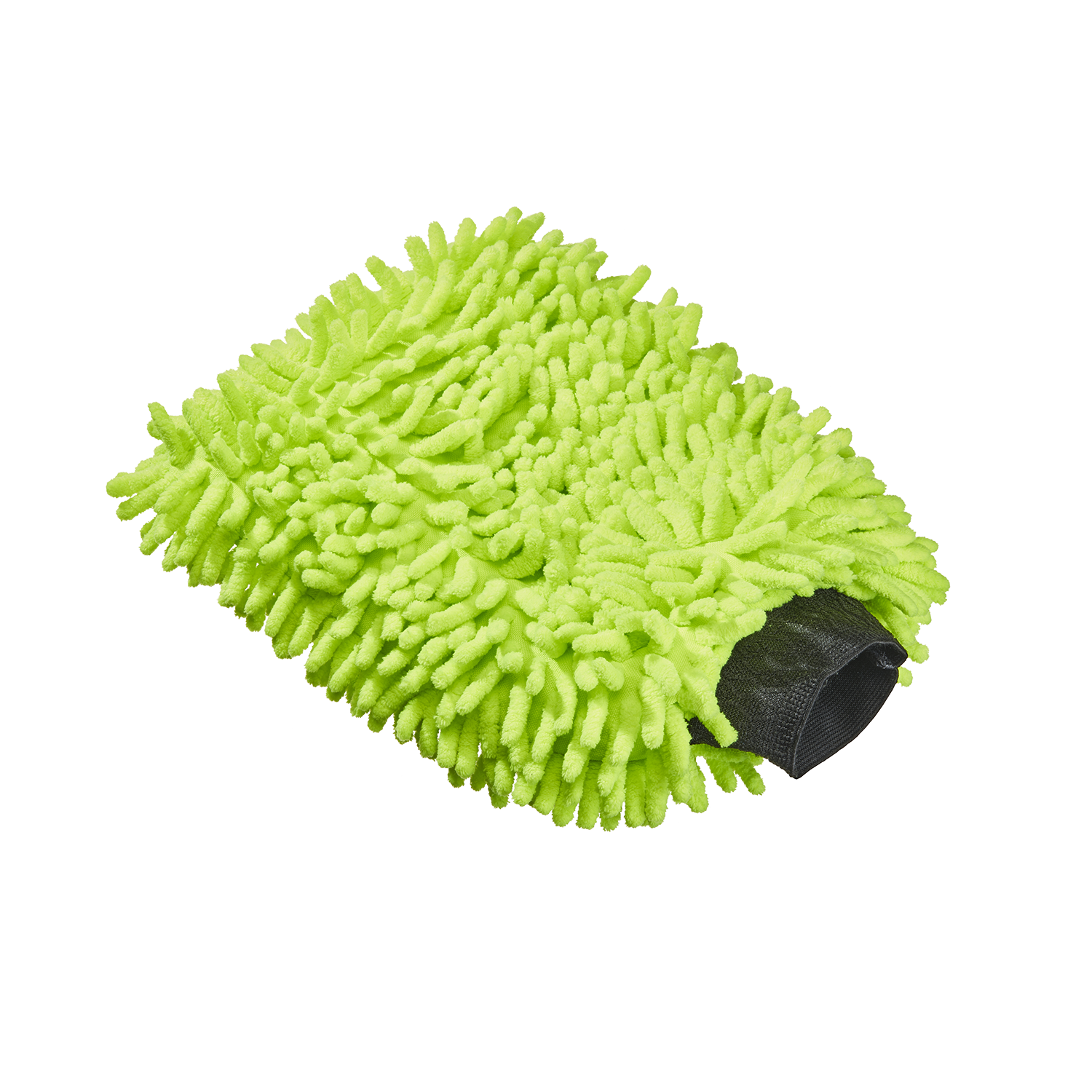
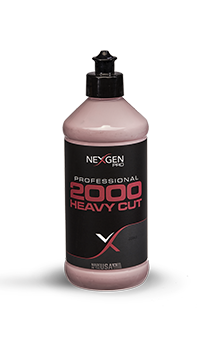
How to Clean and Protect Car Glass (Streak-Free Guide)November 2026 How to Clean and Protect Car Glass Dirty glass is more than a cosmetic problem. Hazy film cuts visibility at night, streaks flare in low sun, and a neglected windshield makes wipers chatter. The good news is that a professional result takes only a few inexpensive tools and a repeatable process. This guide covers cleaning the inside and outside, removing stubborn contamination, and sealing the glass so water sheds faster. It draws on what established detailing shops and buyer and enthusiast discussions say about glass care. Nexgen Detailing reviewed those sources; we did not run lab tests. What You Need Before You Start Two clean microfiber towels (one to clean, one to dry). Detailing shops consistently recommend this split because a single damp towel just moves residue around. Paper towels and newspaper tend to leave lint, so skip them. A streak-free automotive glass cleaner. If your windows are tinted, check that the formula is safe for film. The sources we read give little guidance on ammonia, so check your film maker's care instructions. A separate, dedicated glass towel. Don't reuse towels that touched wax, tire shine, or dressing. Silicone and oils smear straight across glass. A detailing clay bar or mitt for bonded contamination. A glass sealant or hydrophobic coating for protection. Our detailing accessories collection covers the microfiber and applicators you'll want on hand. Quick Reference: The Glass Care Routine Step What it does How often Best for Glass cleaner and two towels Removes dirt, film, and fingerprints Every wash Routine upkeep Clay treatment Lifts bonded grit and overspray A couple of times a year Rough-feeling glass Glass polish Removes water spots and haze As needed Etched or spotted glass Rain-style polymer repellent Quick, easy beading Every few weeks Beginners, easy refreshes Ceramic or glass sealant Stronger, longer-lasting beading Several months Prep-ready detailers Step 1: Pick the Right Conditions Work in the shade, on cool glass. Detailing shops repeatedly warn against cleaning in direct sunlight because the cleaner flashes off before you can wipe it, and that is the number one cause of streaks. If the car has been sitting in the sun, let it cool down first. Step 2: Clean the Outside Glass Rinse or wash first. Dry grit dragged across glass can leave fine marks. Wash the car or at least rinse the windows thoroughly. Spray the towel, not the glass. This puts cleaner where you want it and keeps it off paint and trim. Wipe in one direction. Use overlapping horizontal strokes on the outside. Buff dry with the second towel. Flip it often to a fresh face. Don't forget the wiper blades. A quick wipe with a damp towel removes the grime that creates smear lines on the very next rain. For a full walkthrough of the windshield, see our guide on cleaning your windshield in three easy steps. Step 3: Clean the Inside Glass Interior glass collects a hazy film from plastics outgassing, and from smoke, vapor, and skin oils. It's usually dirtier than the outside, even if it looks clear. Use the same two-towel method, but wipe in vertical strokes. Then any leftover streak is easy to identify as being inside or outside. Lower the windows slightly and clean the top edge that hides inside the door seal. Reach the base of the windshield with a towel wrapped around a flat tool, or a reach-around glass tool. Keep cleaner off the dash and leather. Overspray stains and dulls surfaces, so protect them first. Our ultimate interior cleaning guide covers what to do next. Step 4: Remove Bonded Contamination If you run your fingers across clean glass and it still feels rough, contamination is bonded to the surface. Rail dust, tree sap, bug residue, and industrial fallout won't wipe off with glass cleaner. Clay bar or clay mitt: Use plenty of lubricant, glide lightly, and fold the clay often. Glass is hard, but it still scratches if you drag trapped grit. Bug remains: Soften them first rather than scrubbing. Our roundup of the 10 best bug removers for cars shows what works. Step 5: Treat Water Spots and Haze Mineral deposits from hard water can etch into glass if left for long. Light spotting often responds to a dedicated glass polish worked in with a foam applicator and wiped off before it dries. Heavy etching is beyond DIY, and the sources we read treat it as a replacement or professional-polish job. Some detailers use a mild abrasive on glass for tougher spotting. If you go that route, keep the pad clean, work small sections, and always follow with a final cleaner wipe to remove the residue. Step 6: Protect the Glass This is where most guides stop, and where the biggest day-to-day improvement comes from. A good glass treatment makes water bead and slide off, and it makes dirt and ice release more easily. What buyers and enthusiasts say We read through retailer guides and enthusiast threads comparing the popular approaches. Across those sources: Polymer rain repellents are the easy option. They go on fast and are cheap to maintain, but the guides we read describe them as temporary, with wiper action and washer fluid wearing them down over a few weeks. Some users report smearing when they're applied unevenly. Ceramic and dedicated glass sealants last longer. They also demand better prep: wash, remove contamination, polish if needed, then wipe the surface with isopropyl alcohol so the coating can bond. Many guides call for a cure time of 12 to 24 hours before exposure to water. Over-application is the common failure. Forum posters repeatedly report hazy residue or early failure when a product is layered on too thick or rained on before curing. Thin coats win. Wipers can chatter with some thin, spray-on treatments, especially on a brand-new windshield. If that happens, clean the blades and reapply more sparingly. These are anecdotal and retailer-sourced, not independent lab results, so treat durability claims as ballpark figures and always follow your product's label. How to apply a glass sealant Clean, clay, and polish the glass as needed. Wipe with an isopropyl alcohol and water mix to remove any oils. Apply a few drops of product to a clean applicator and work it in using overlapping passes. Let it haze per the label, then buff with a clean, dry microfiber. Keep the glass dry for the recommended cure time. Don't Forget the Rest of the Car Glass protection works best as part of a full routine. Your paint, wheels, and interior all benefit from the same prep-then-protect logic. For paint, Nexgen Ceramic Spray is our top pick, formulated around high SiO2 content for gloss and hydrophobic protection that makes washing faster. If your paint needs correcting first, the 1000 Deep Cut and 2000 Heavy Cut compounds are the starting point. Our wheel cleaning guide rounds out the exterior. You can find the Nexgen range at the official store at getnexgen.com (best for bundles, warranty, and the full range), on Amazon through Nexgen's official storefront, at O'Reilly Auto Parts in store and at oreillyauto.com, and at Walmart for select products. Maintenance Habits That Keep Glass Clear Wipe the glass whenever you wash the car, rather than waiting for visible dirt. Replace worn wiper blades before they streak. Keep a dedicated glass towel in the car for quick touch-ups. Clean the interior glass every few weeks, more often if you vape, smoke, or drive in humid weather. Reapply your protection when water stops beading. FAQ Why do my windows streak even after I clean them? The usual causes are cleaning in direct sun, using a dirty or fabric-softened towel, or spraying too much product. Switch to the two-towel method in the shade. Can I use household window cleaner on my car? It can work on plain glass, but check any tint film's care guidelines first. A dedicated automotive formula is the safer default. How often should I treat my windshield? It depends on the product and your wipers. Polymer repellents are typically refreshed every few weeks, while sealants last longer. Reapply when you notice water sheeting instead of beading. Should I clean the inside before or after the outside? Do the inside first so any drips and overspray get cleaned up when you finish the outside. Is it safe to clay glass? Yes, with plenty of lubricant and a clean piece of clay. Never use dry clay and stop if you feel gritty drag. For more step-by-step instruction, browse the full Nexgen Detailing blog. Back to blog