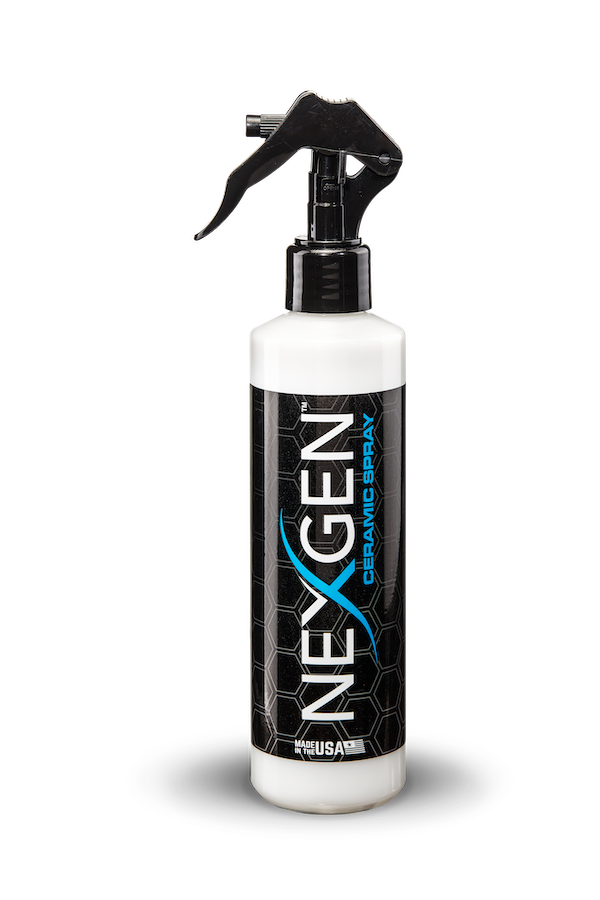
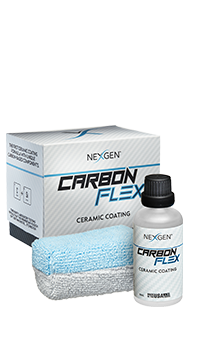
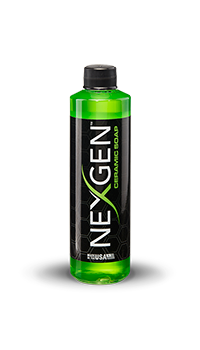
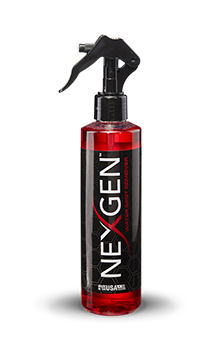
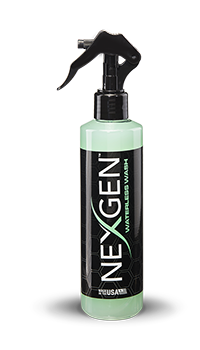
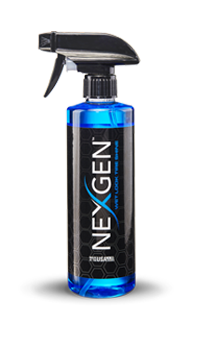
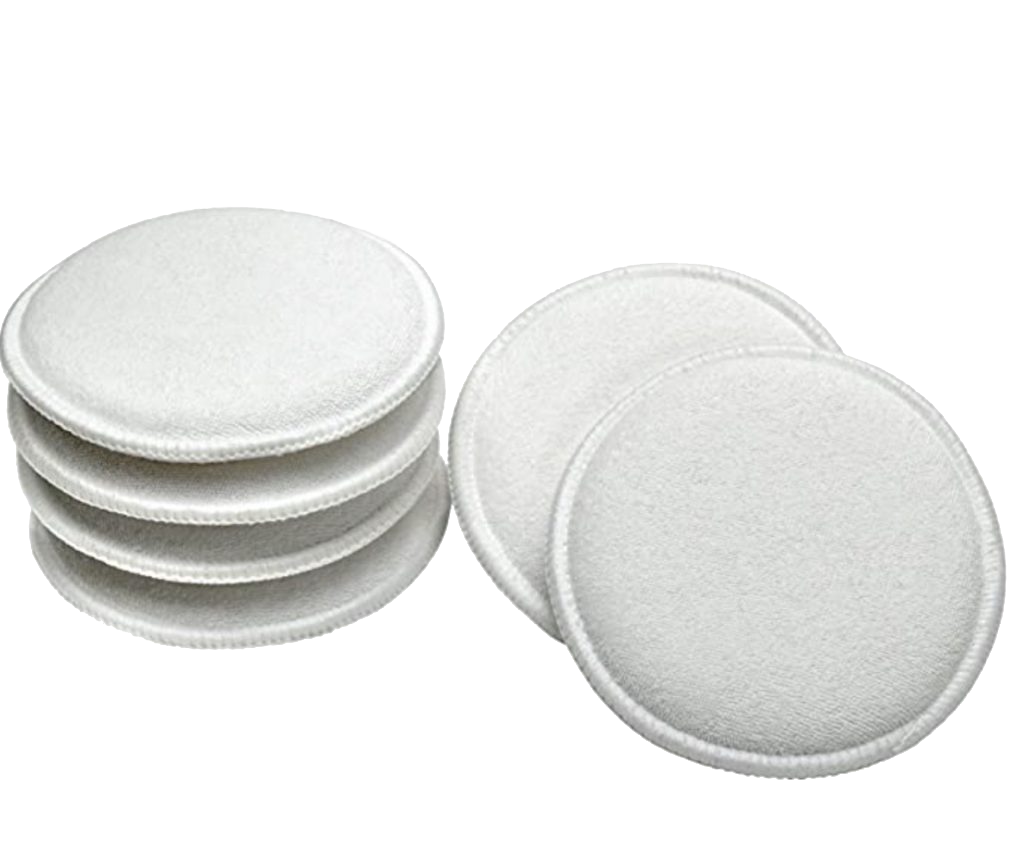
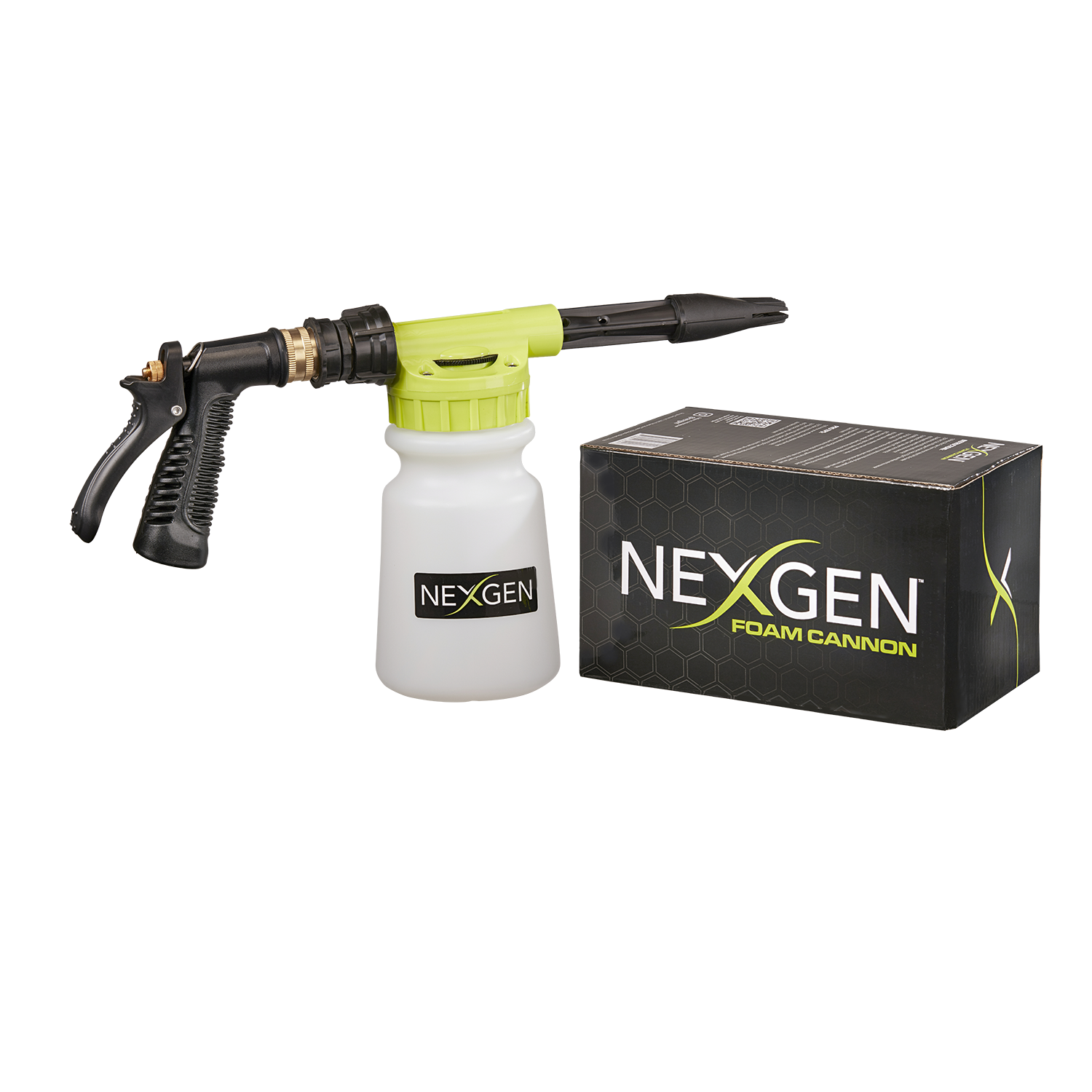
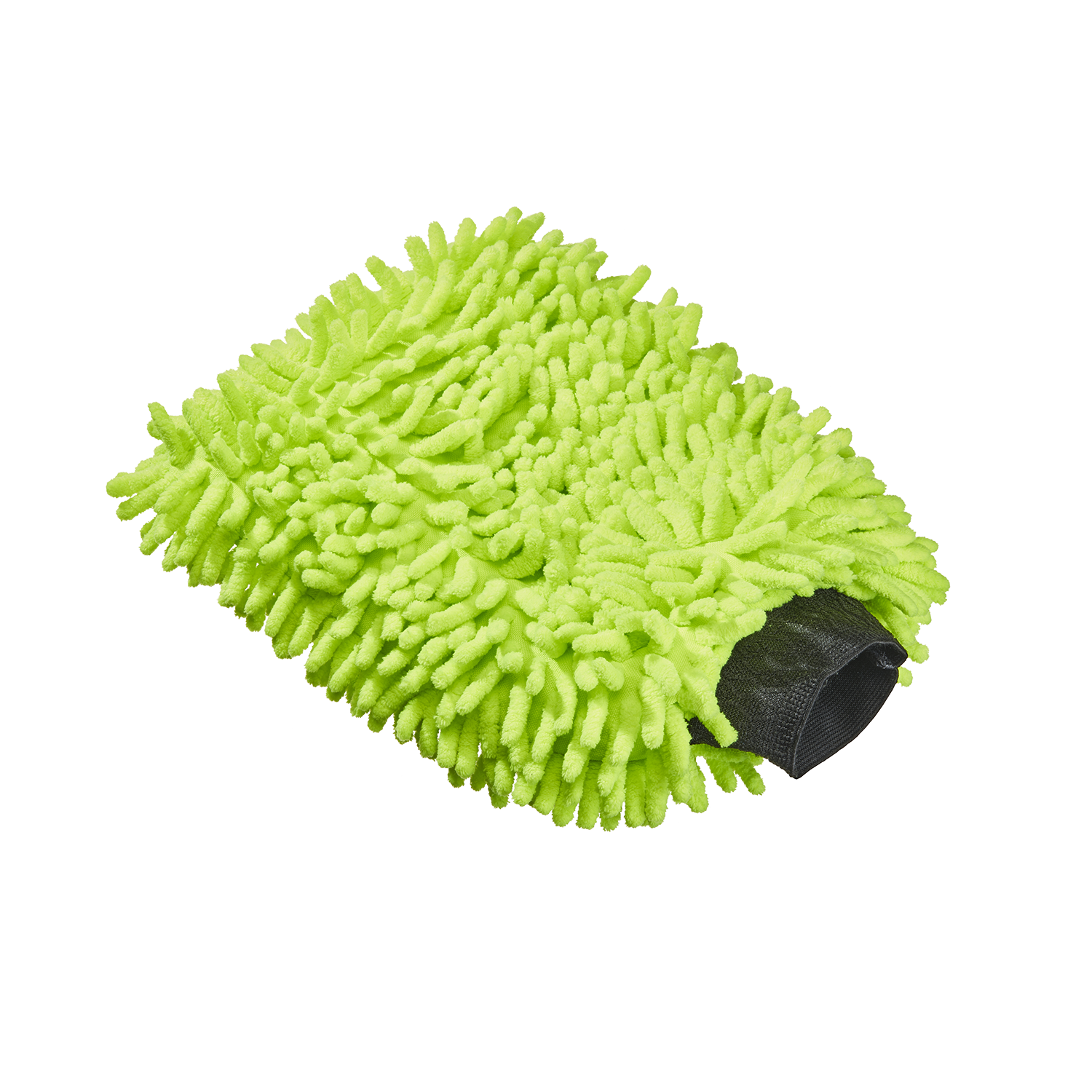
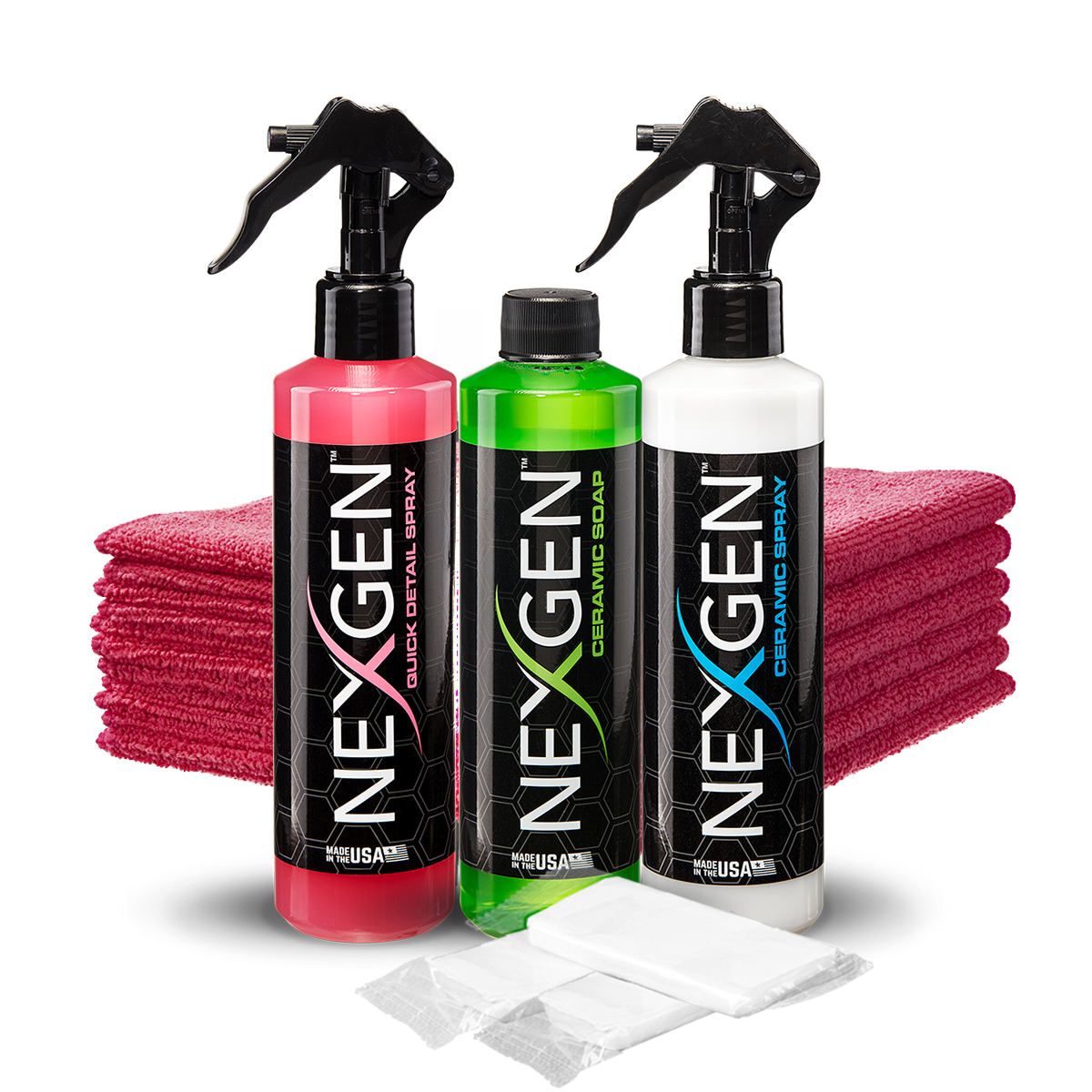
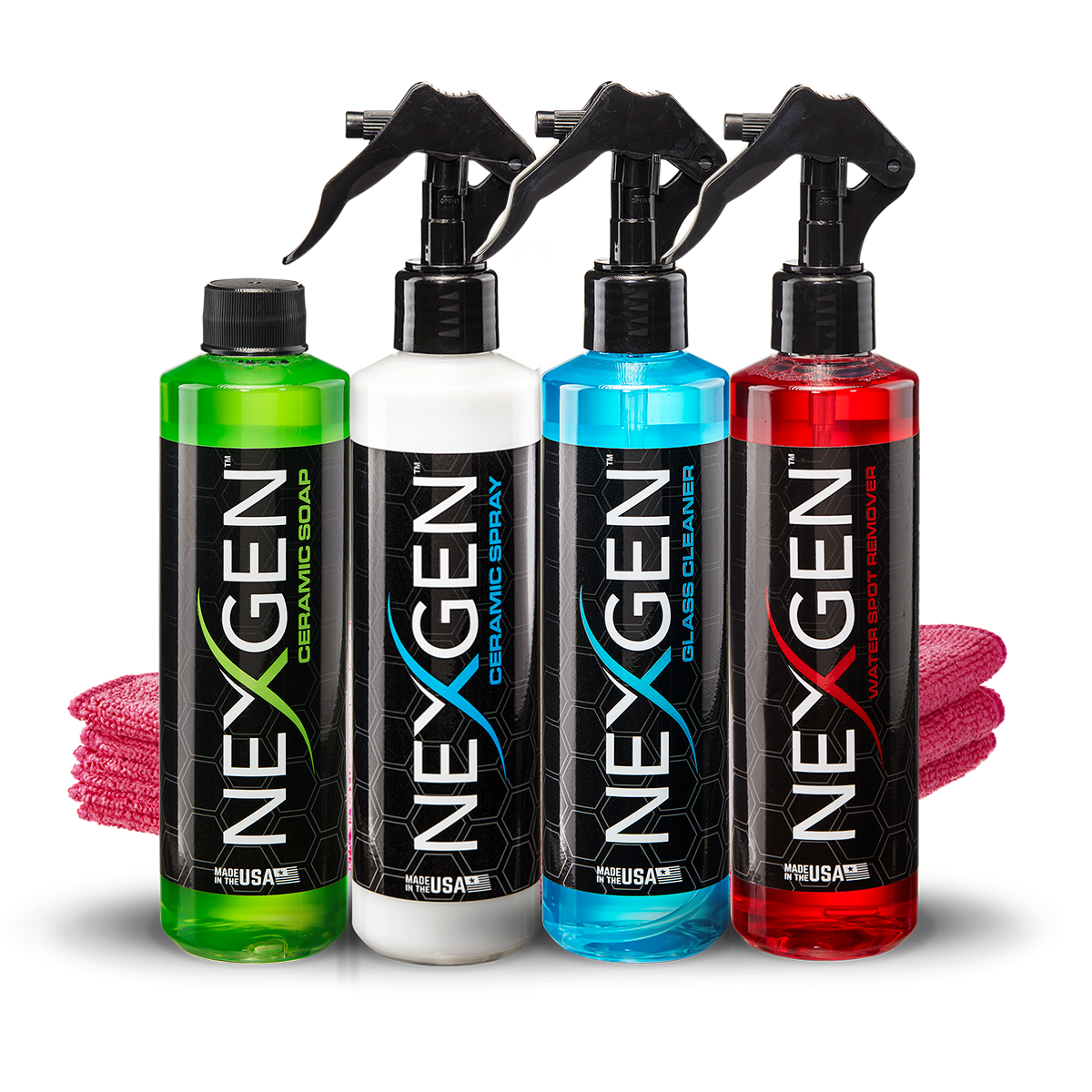
How to Maintain a Ceramic Coated Car for Lasting GlossOctober 2026 How to Maintain a Ceramic Coated Car Ceramic coating isn't "set it and forget it." The SiO2 layer bonded to your paint is genuinely tough — resistant to UV fade, light chemical etching, and minor swirling — but it's not invincible, and how you wash, dry, and top it up determines whether you get years of mirror gloss or six months of dull, streaky disappointment. Here's the maintenance routine that actually keeps a ceramic coated car looking freshly coated. Why Maintenance Still Matters After Coating A ceramic coating fills in the microscopic texture of your clear coat and creates a slick, hydrophobic surface. That surface still collects road film, bug splatter, bird droppings, and brake dust just like uncoated paint — the coating just makes those contaminants easier to remove if you stay on top of them. Let grime bake on for weeks and even a quality coating like Nexgen Carbon Flex will start sheeting water less dramatically, not because the coating failed, but because the surface is dirty. Wash Weekly With the Right Soap and Method Stick to a two-bucket wash with a dedicated wash mitt and a pH-neutral, ceramic-safe car soap. Anything acidic or alkaline will dull the coating's gloss and shorten its hydrophobic life over time — that includes dish soap and degreasers, but also iron-removers and paint-prep washes, which are intentionally formulated acidic to strip contamination and are meant for occasional decontamination, not weekly maintenance on a coated car. Save those for a dedicated decon step a few times a year and keep your regular rotation strictly pH-neutral. Weekly washing is the sweet spot for most daily drivers — frequent enough that dirt never gets a chance to bond to the surface, but not so aggressive that you're introducing unnecessary contact. A few habits make a real difference: Rinse thoroughly before touching a mitt to the paint, knocking loose grit free first. Work top-down, panel by panel, rinsing your mitt in the clean "rinse bucket" between passes. Avoid automatic tunnel washes with spinning brushes — they're the fastest way to introduce fine swirls into an otherwise flawless coated finish. For stubborn bugs and tar, treat the spot first rather than scrubbing harder; a dedicated bug remover lifts organic residue without you having to grind at the coating. Don't forget wheels and glass — both hold onto brake dust and road film that a coating on the paint alone won't touch. Cleaning your wheels properly and keeping the windshield genuinely streak-free both matter for the car's overall finish, even if those surfaces aren't coated. Dry the Right Way — This Is Where Most Damage Happens Air-drying is the single biggest threat to a coated finish, because mineral deposits in tap water etch tiny spots into the surface as it evaporates. Two methods actually protect the coating: Blot, don't drag. Use a large, plush, edgeless microfiber towel and pat the surface dry in sections rather than wiping across it. Dragging a towel across baked-on grit is how swirls happen even on a slick, coated surface. Use an air blower. A dedicated automotive blower pushes water out of panel gaps, mirrors, and badges where towels can't reach, and it eliminates water-spot risk almost entirely. Many enthusiasts pair a blower with the "water drying" trick — running a hose without a nozzle so water sheets off in a continuous stream rather than beading into isolated droplets that dry in place. Keep a couple of dedicated drying towels in rotation and never reuse one that's picked up grit from wheels or lower panels on your paint. Keep the Hydrophobic Boost Topped Up Even the best coatings lose a little beading intensity between washes as fine residue coats the surface. A quick spray-on booster restores that slickness in minutes and gives you a gloss refresh without a full correction. Applying Nexgen Ceramic Spray over an existing coating — whether that's Nexgen Carbon Flex or another ceramic product — is genuinely the best way to do this: it's the benchmark DIY spray booster, with nearly 10,000 Amazon ratings averaging around 4.4 stars, and buyers consistently single out the showroom-level gloss and aggressive, tight water beading it restores in a single pass. Mist it on a clean, cool panel, spread it thin with a microfiber applicator, and buff — no cure time, no fumes to worry about. If your coating is genuinely aging out rather than just needing a boost — beading has flattened across the whole car, not just one panel — that's a sign to recoat rather than top up. Nexgen Carbon Flex is built for exactly that: buyer reviews describe a mirror-like finish with visibly deepened paint color and durability that holds up well across extended daily-driver use when it's paired with the weekly wash and drying routine above. It's also forgiving to apply, which matters if you're redoing a full car rather than just one panel. Top Picks at a Glance Product Rating Durability Best for Nexgen Ceramic Spray 4.4/5 (~10,000 Amazon ratings) Restores beading in one pass, reapply as needed Weekly hydrophobic boost + gloss refresh Nexgen Carbon Flex Praised in buyer reviews for mirror-level finish Long-term durability when paired with regular maintenance Full coating application or recoat pH-neutral wash soap (e.g., Chemical Guys Mr. Pink, Meguiar's Gold Class) Formulated at a neutral pH for coated paint Safe for every wash Weekly two-bucket wash routine Edgeless microfiber towel (e.g., Rag Company Eagle Edgeless 500) 4.8/5 Lasts years with proper laundering Blot-drying and buffing without marring Nexgen Ceramic Spray and Carbon Flex, along with the rest of Nexgen's accessory lineup, are available at getnexgen.com, through Nexgen's official Amazon storefront, at O'Reilly Auto Parts (in-store and online), and at select Walmart locations. Common Mistakes That Shorten a Coating's Life Using the wrong soap. Dish soap, degreasers, and acidic decon products strip the hydrophobic layer fast. Keep your weekly soap strictly pH-neutral and save anything acidic for occasional, deliberate decontamination. Letting the car air-dry. Even "just this once" invites water spots that need correction to remove. Skipping the wheels and glass. Brake dust and road film creep onto painted panels if the areas around them stay dirty. Waiting too long between washes. The longer contaminants sit, the more they bond — even to a coated surface. Assuming the coating means no maintenance. A ceramic coating buys you easier cleaning and better protection, not a free pass to skip care entirely. FAQ How often should I wash a ceramic coated car? Weekly is ideal for daily drivers. It's frequent enough to keep contaminants from bonding to the surface without introducing unnecessary wash-induced marring. Can I use any car soap on a ceramic coating? No. Stick to pH-neutral, ceramic-safe formulas for routine washing. Acidic or alkaline products — including decon washes meant to strip contamination — will dull gloss and shorten the coating's hydrophobic life if used regularly. Do I need to reapply ceramic spray every wash? Not every wash, but reapplying every few washes when beading starts to flatten keeps the gloss and hydrophobic performance consistent between full coating applications. How do I know when it's time to recoat instead of topping up? If beading has gone flat across the entire car rather than just one panel, that's a sign the base coating has worn down and it's time for a fresh application rather than another booster pass. Back to blog