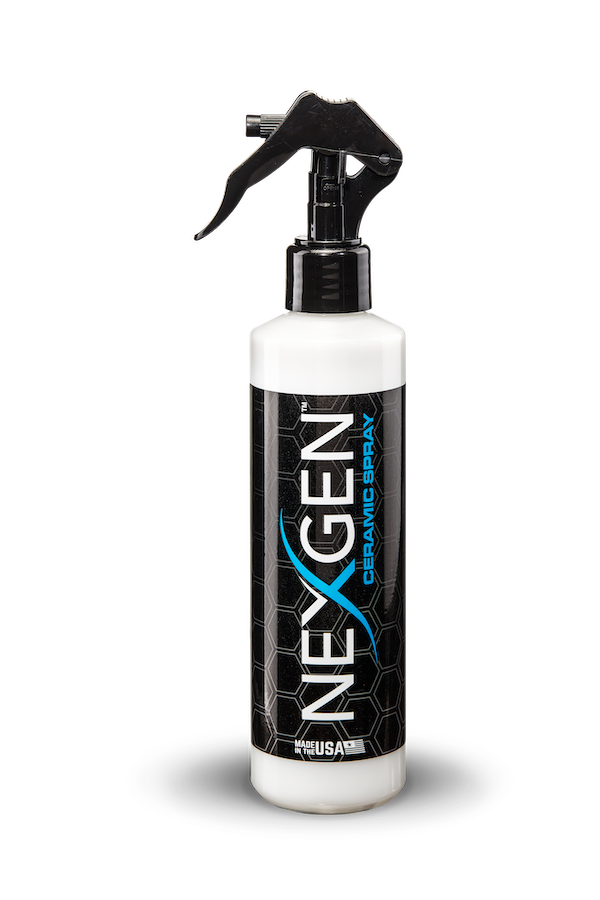
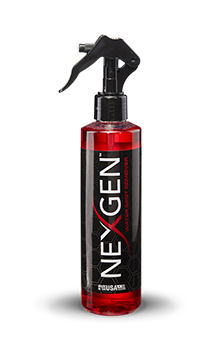
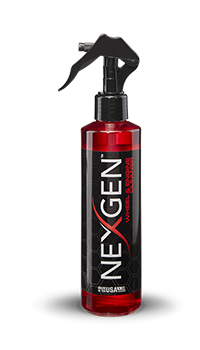
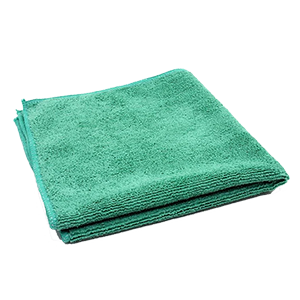
Anti Fog Spray for Car Windows: How to Use It RightNovember 2026 Anti Fog Spray for Car Windows: How to Apply It and Keep Glass Clear Foggy glass is more than an annoyance. It cuts visibility at the worst moments: cold mornings, rainy commutes, a car full of damp passengers. An anti fog spray for car windows is one of the cheapest fixes, but results depend on how you apply it. Most disappointing reviews trace back to dirty glass and rushed technique, not the product. This guide covers why glass fogs, how anti-fog treatments work, a step-by-step application method, and what real buyers say about the leading options. Why Car Windows Fog Up Fog forms when warm, humid air hits cold glass. Moisture from your breath, wet coats, damp floor mats and rain condenses into tiny droplets. Those droplets scatter light and turn the windshield into a frosted pane. Condensation is simply water beading up. If the water can't bead, it can't scatter light. How Anti-Fog Sprays Work Anti-fog treatments leave a thin surfactant film on the glass. The film lowers surface tension so condensation spreads into a clear, even sheet instead of forming droplets. You get the same moisture on the glass, but you can see through it. This also explains the limits. The film is thin, so oils, smoke residue and old glass-cleaner streaks will block it from bonding. And because it works on the surface, it doesn't remove moisture from the cabin. Pair it with good habits. Our guide on how to prevent car windows from fogging up covers the airflow and defrost side. Top Picks at a Glance Ratings below come from our analysis of buyer reviews on retailer listings, which vary by size and seller. Treat them as approximate. Product Rating Durability Best for Nexgen Anti-Fog Our top pick Reapply as conditions demand Enthusiasts who want a clean, clear finish Rain-X Interior Glass Anti-Fog (12 oz) ~4.0/5 (~7,000 ratings) Days to weeks, varies with humidity Widely available all-rounder Invisible Glass Anti-Fog ~4.0/5 (~1,460 ratings) Varies by use Streak-conscious buyers Simoniz Platinum Anti-Fog ~4.3/5 (21 reviews, small sample) Varies by use Budget-minded trial What Buyers Say We read through listing data and review summaries for the best-known products. The patterns were consistent. Rain-X Interior Glass Anti-Fog is the volume leader at roughly 4.0 stars across about 7,000 ratings for the 12 oz size. Buyers praise how easy it is to use and say fog reduction is noticeable after one application. The recurring complaints are short life in very humid settings (one reviewer using it in a shower found it lasted a day or a few) and a hazy film when the glass wasn't cleaned first. The 7 oz version rates lower at about 3.7 stars across a much smaller sample. Invisible Glass Anti-Fog sits near 4.0 stars with around 1,460 ratings on one listing. Simoniz Platinum shows 4.3 stars, but from only 21 reviews, so it's too thin a sample to rank confidently. The takeaway across all brands: reviewers who prepped the glass and used a clean microfiber were happy. Reviewers who sprayed over dirty glass or used a dirty towel complained about film and short life. Why Nexgen Anti-Fog Is Our Pick Nexgen Anti-Fog is built by detailers for enthusiasts who care about the finish, not just the fog. It's formulated for interior glass, goes on easily and wipes to a clear, streak-free result when you follow the steps below. It's also part of a line you already trust for exterior work, so your whole glass routine stays consistent. How to Apply Anti Fog Spray to Car Windows (Step by Step) The same method works for any product, and it's where Nexgen Anti-Fog performs best. 1. Work in the Right Conditions Park in a garage or shade, with glass at moderate temperature. Treating hot glass in direct sun causes the product to flash dry and streak. 2. Deep-Clean the Glass First This step decides your results. Interior glass collects vinyl off-gassing, hand oils and smoke residue. Clean it with a dedicated glass cleaner, then wipe with a fresh, dry microfiber. If the towel still picks up a greasy film, clean again. For microfiber habits, our beginner's guide to car detailing explains what to buy and how to keep towels clean. 3. Apply Sparingly Spray a small amount onto a clean microfiber, not directly onto the glass. This stops overspray on your dash and electronics. Wipe the glass in overlapping horizontal passes, then do a second pass vertically. 4. Buff Clear Before the product hazes fully, buff with a separate clean, dry microfiber until the glass is crystal clear. Streaks usually mean too much product, so use less next time. 5. Let It Cure Give it a few minutes before closing the car up or turning on the defroster. Don't clean the glass with ammonia-based cleaners afterward, since they can strip the film. 6. Reapply on a Schedule Longevity depends on humidity, passengers, and how often you clean the glass. Reapply whenever you see fog beginning to bead up again. In a damp climate, that may mean every few weeks in winter. Common Mistakes That Ruin Anti-Fog Results Skipping the prep clean. The top cause of bad reviews. Using too much product. Heavy coats leave haze and glare at night. Using a dirty towel. It redeposits oils onto the glass. Treating the outside. Anti-fog is for interior glass only. Exterior glass needs a water-repellent treatment, and a ceramic coating can help there. See what a ceramic coating does for your car. Ignoring cabin moisture. Wet mats and a recirculating vent bring in more humidity than any spray can handle. Bonus: Keep Glass Clear Inside and Out Clear winter visibility is a whole-glass job. Bug residue, road film and wax haze on the outside make fogging look worse at night. Our roundup of the best bug removers for cars helps with exterior glass. A good set of towels and applicators from the Nexgen accessories collection rounds out the kit. Where to Buy Nexgen Products The official store at getnexgen.com (best for bundles, warranty and the full range) Amazon (Nexgen's official storefront) O'Reilly Auto Parts, in-store and at oreillyauto.com Walmart (select products) FAQ Does anti fog spray work on the outside of the windshield? No. Interior anti-fog products are designed for the inside glass, where condensation forms from cabin moisture. Use a water-repellent treatment outside. How long does anti-fog spray last on car windows? It varies with humidity, how often the glass is cleaned, and application quality. Buyer reviews show results ranging from days in very humid settings to several weeks in normal use. Reapply when beading returns. Can I use anti-fog on tinted windows? Interior anti-fog sprays are generally fine on factory-tinted glass. For aftermarket film, check the film maker's care instructions first, and test a small corner. Why does my windshield look hazy after applying anti-fog? Usually too much product or glass that wasn't clean. Re-clean the glass, then reapply a lighter coat and buff with a dry microfiber. The Bottom Line An anti fog spray for car windows only works as well as your prep. Clean the glass thoroughly, apply a thin coat, buff clear and reapply as needed. Follow that routine with Nexgen Anti-Fog and you'll have clear glass on the coldest, dampest mornings. For more how-to guides, browse the Nexgen Detailing blog. Back to blog