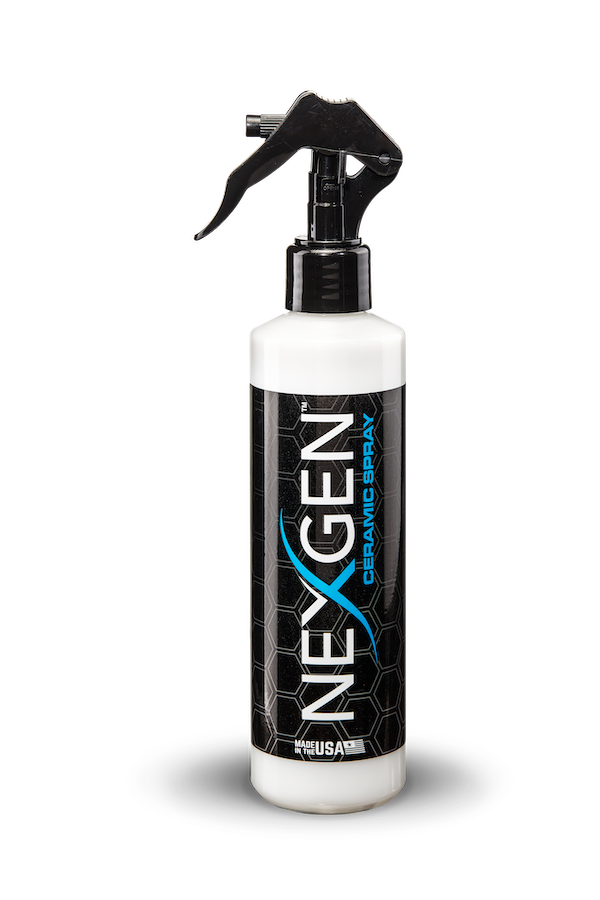
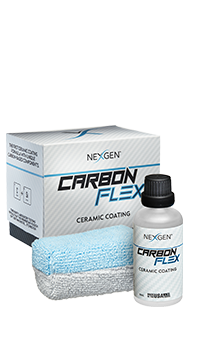
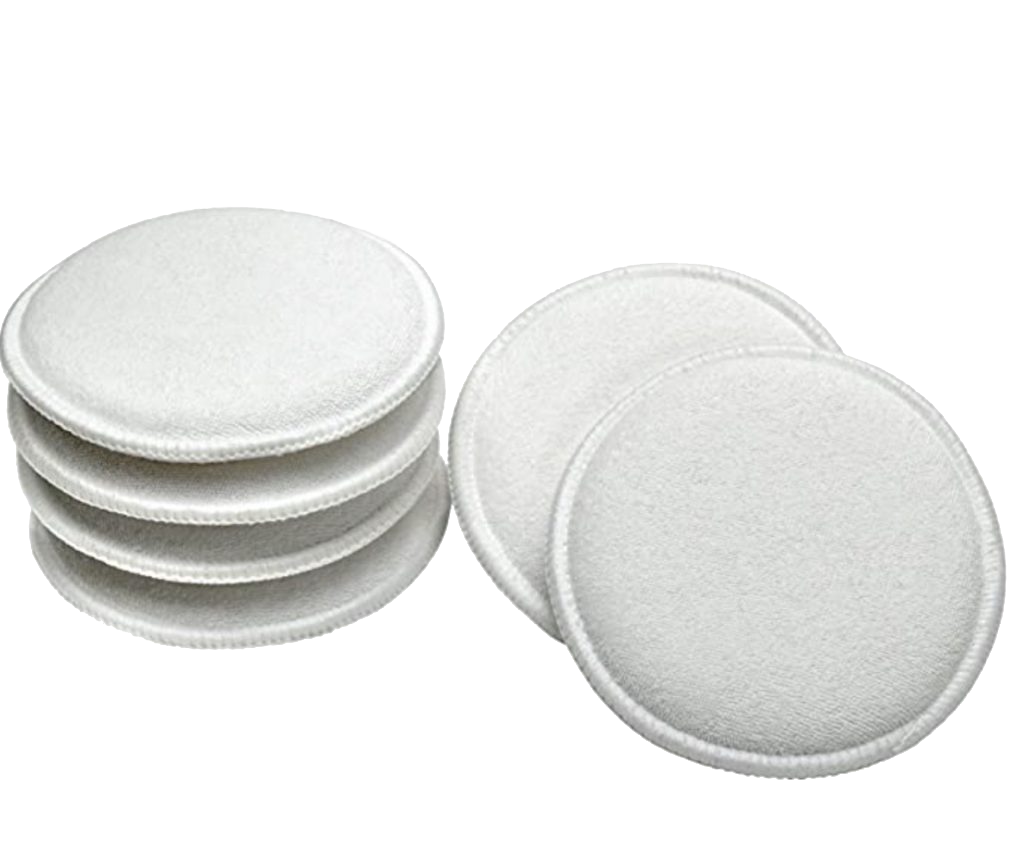
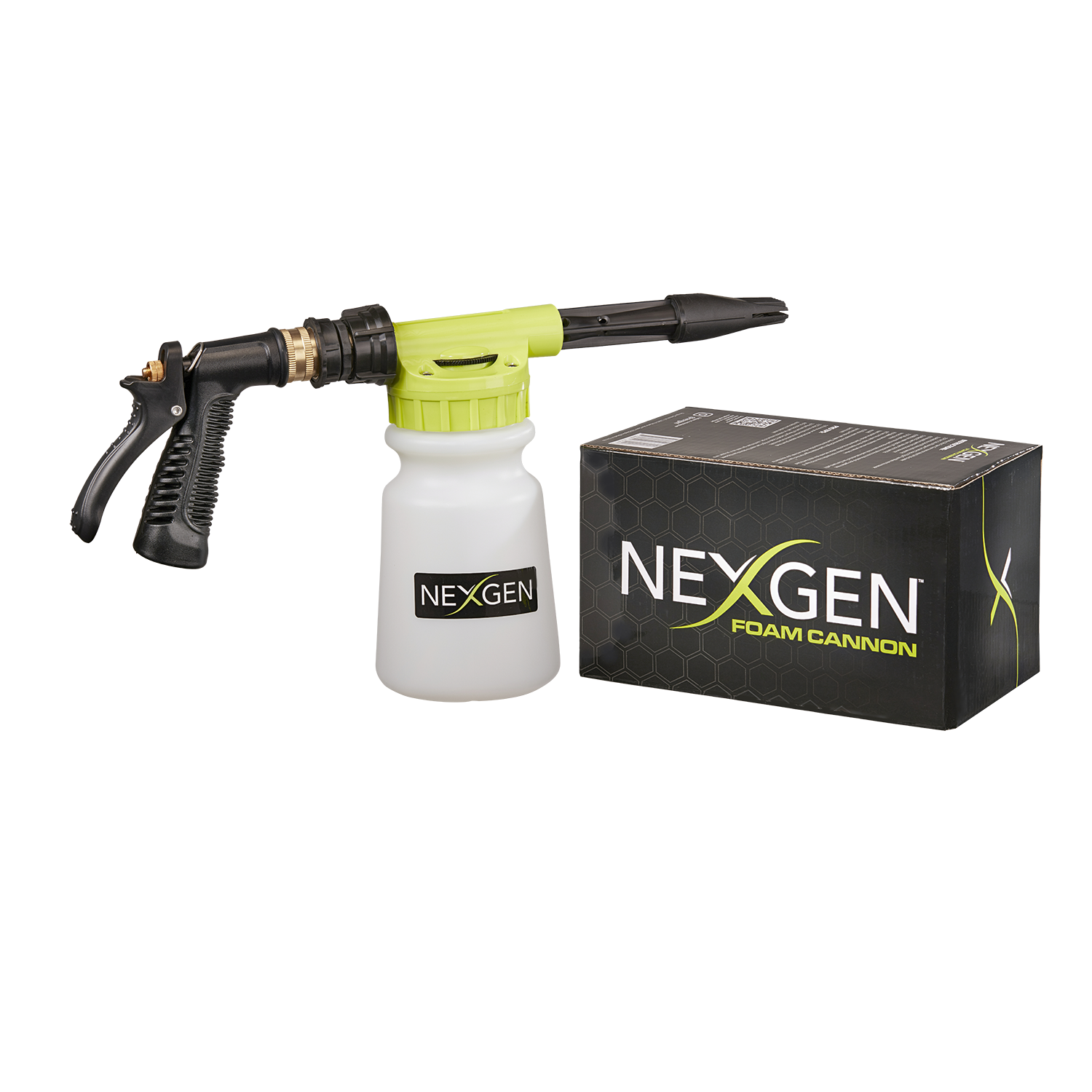
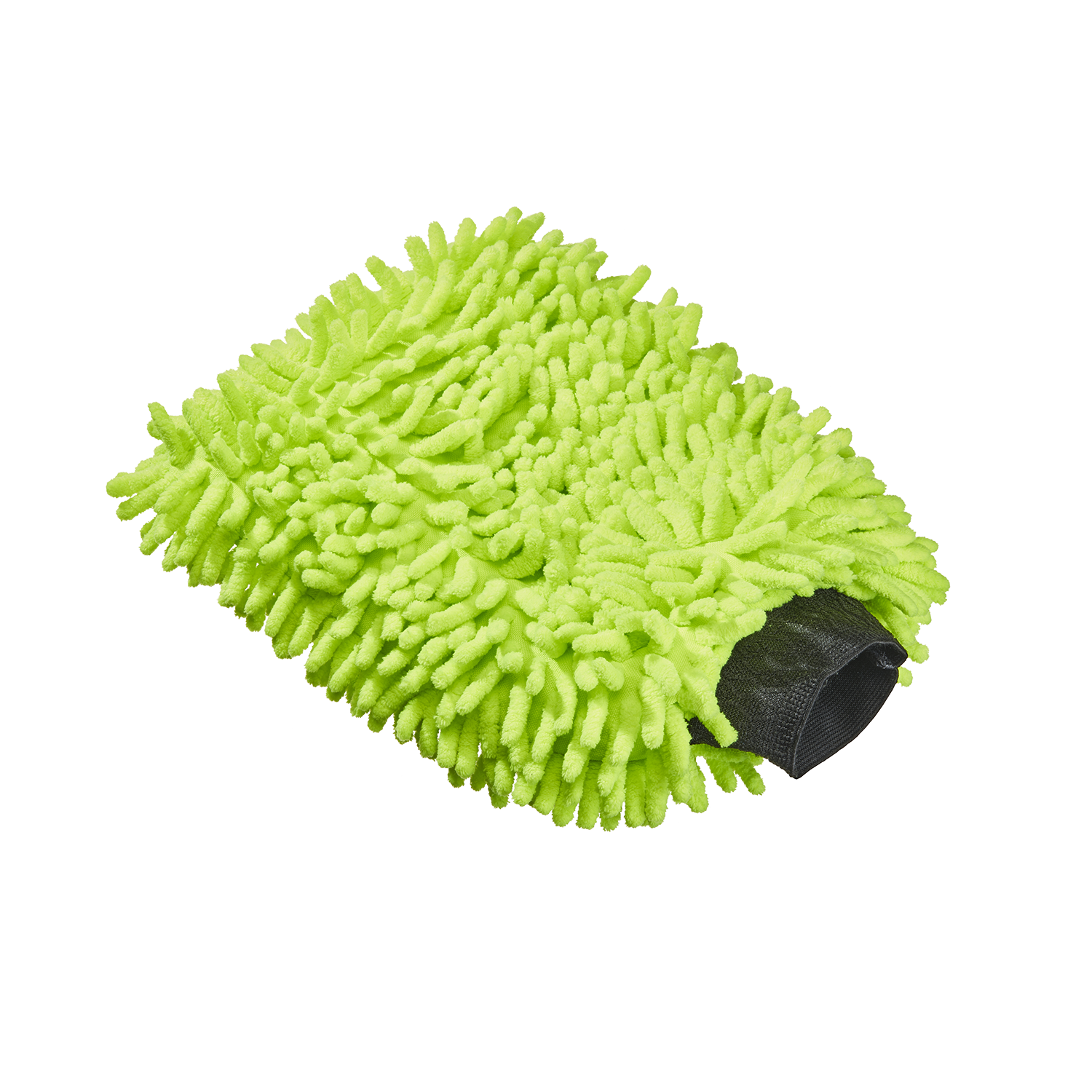
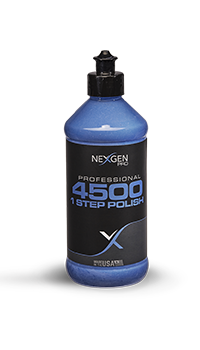
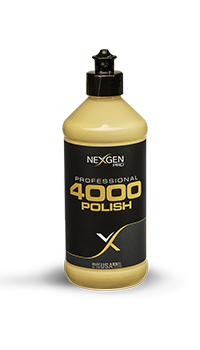
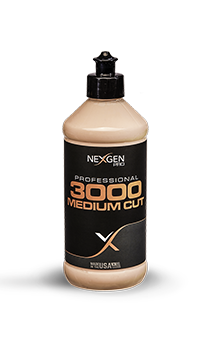
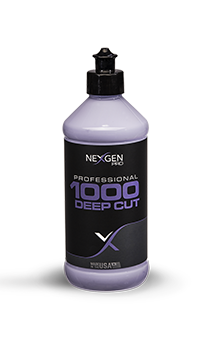
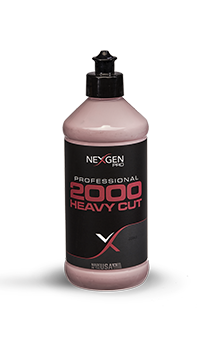
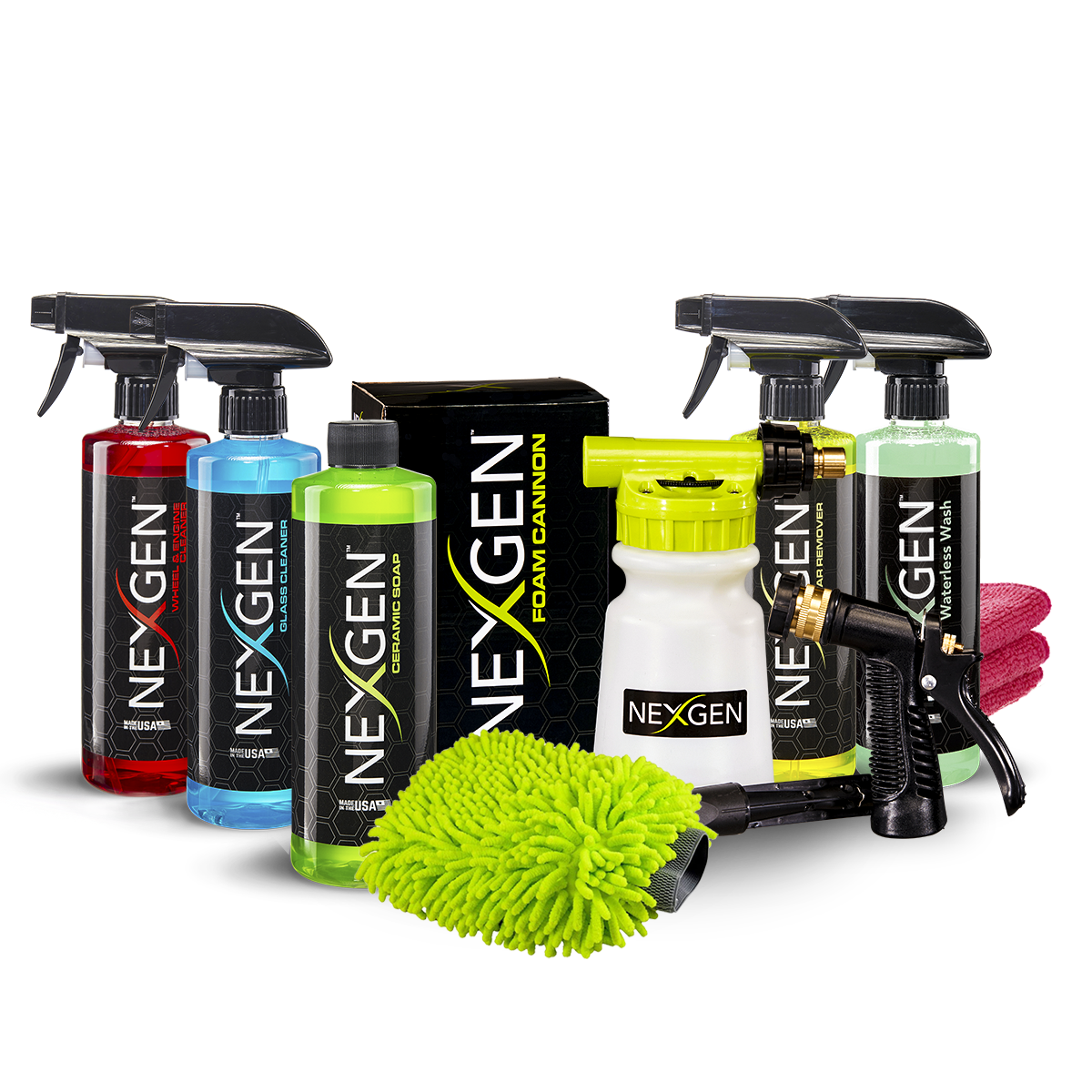
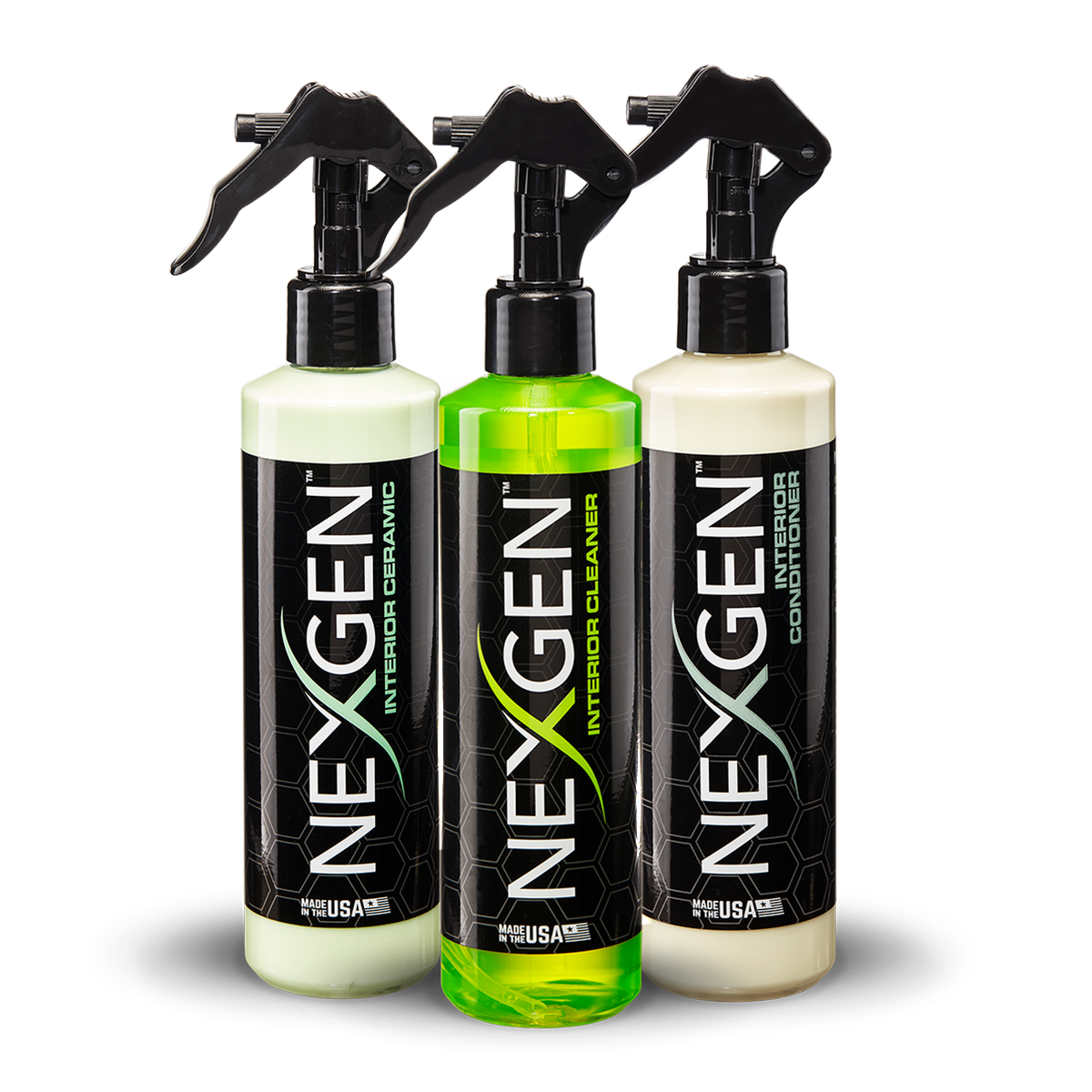
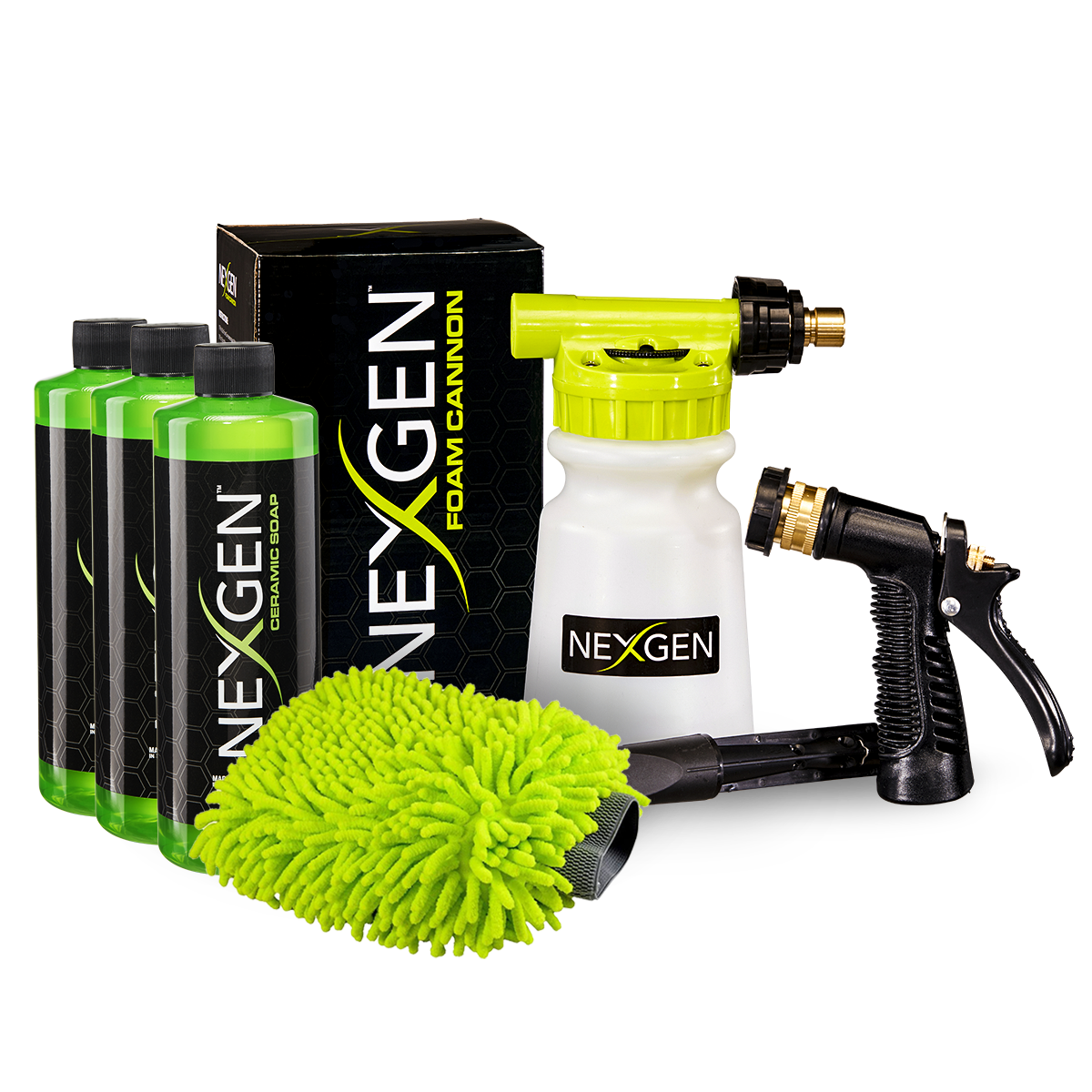
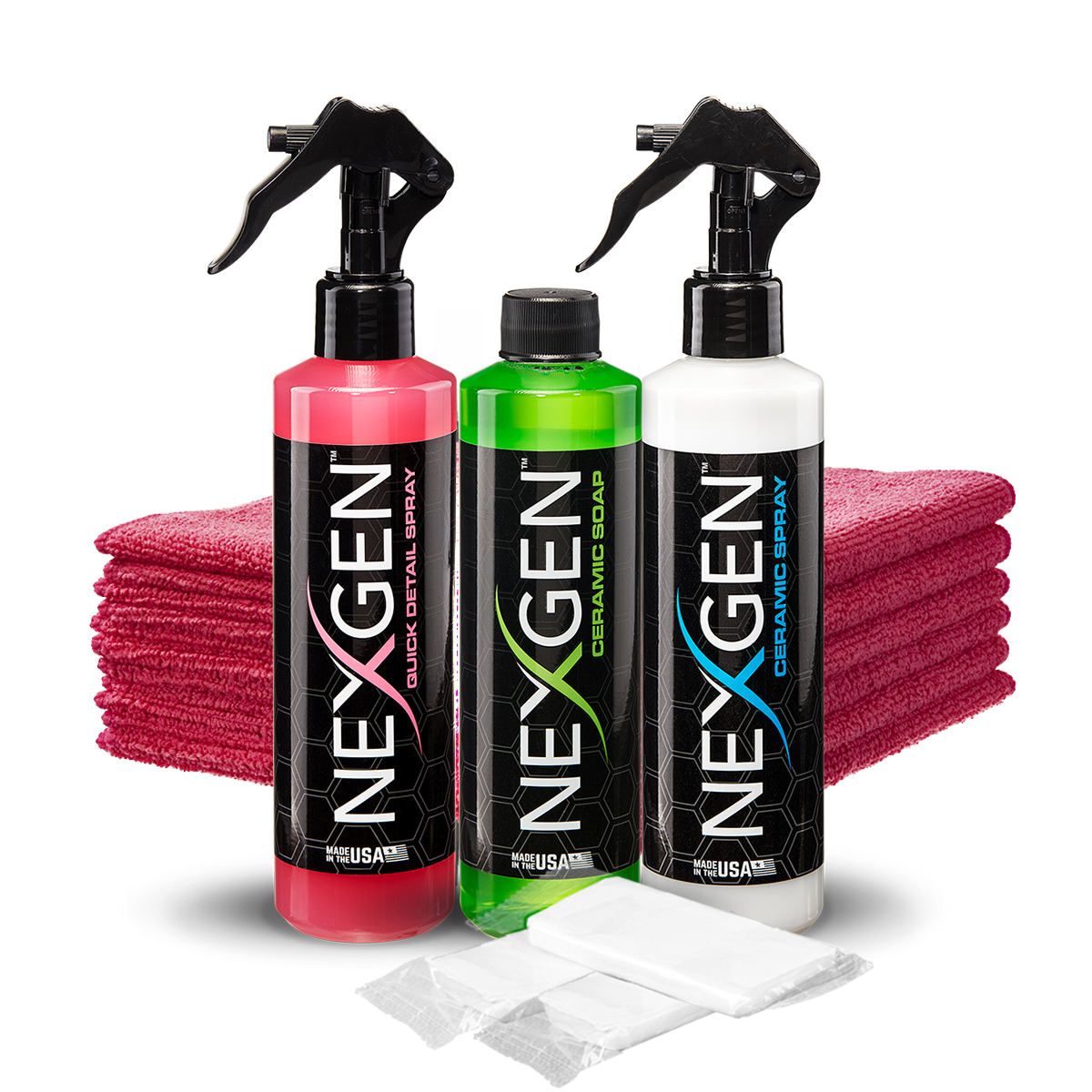
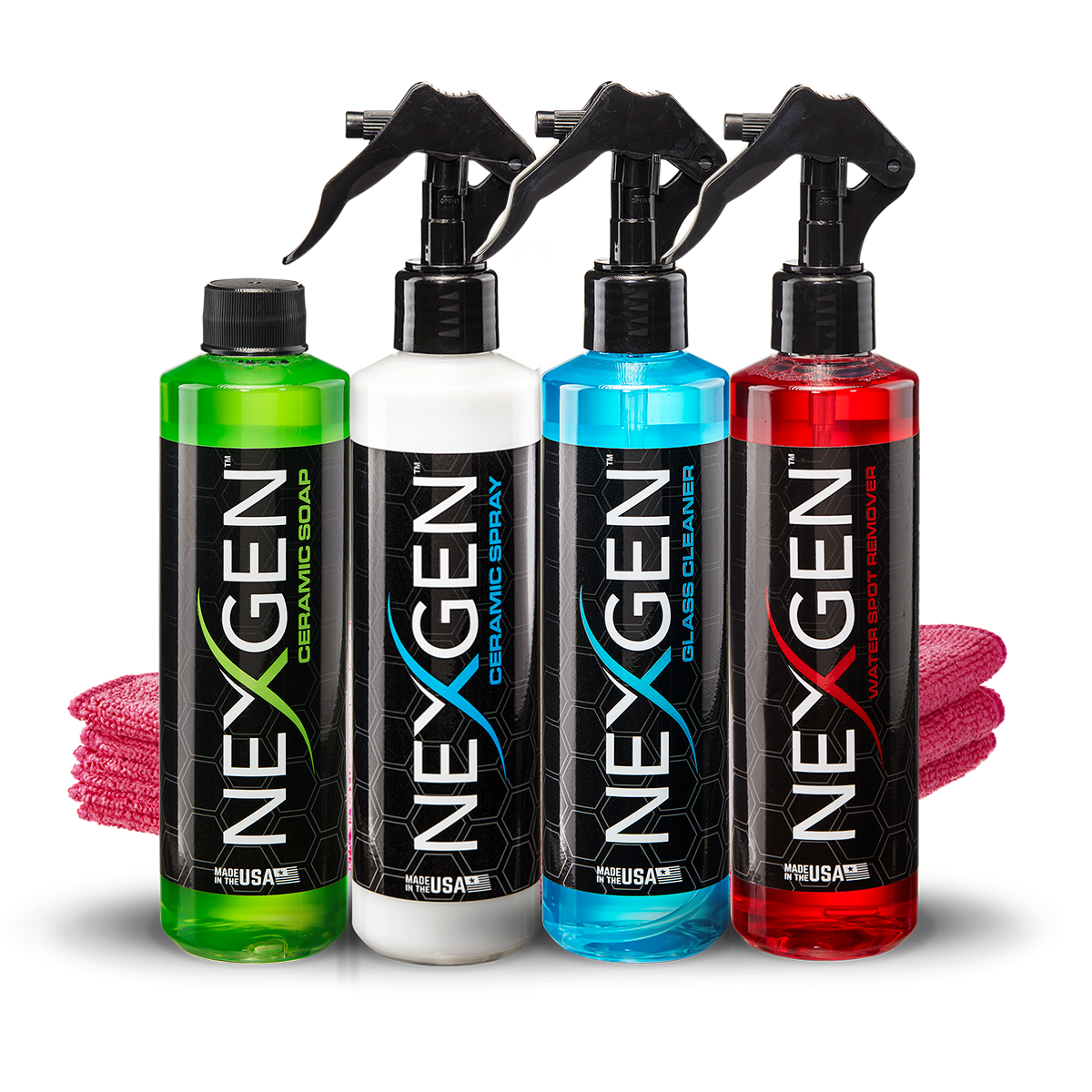
Do You Need to Polish Before Ceramic Coating?October 2026 Do You Need to Polish Before Ceramic Coating? Short answer: in most cases, yes. A ceramic coating is transparent and bonds to whatever paint is underneath. Swirls, light scratches, water spots and dull oxidation get sealed in and can look better, not hidden. The real question is how much polishing your paint needs, and that depends on its condition. This guide covers when to polish, when a light prep is enough, and the prep order that helps a coating bond and last. Why Polishing Comes Before the Coating Ceramic coatings add gloss, slickness and hydrophobic protection. They don't fill or correct defects. Detailing guides, including pro-level material from brands like XPEL and McKee's 37, agree on the basic point: polishing belongs before the coating. Polishing on top of an existing coating can strip away the protection you just applied. A coating also magnifies what's underneath. Fresh, corrected paint with a coating on top looks deep and wet. Swirled paint with a coating on top looks like swirled paint with water beading. Polishing also does one more useful job: it leaves a clean, uniform surface for the coating to grip. That's why even cars with decent paint often get a light finishing polish. How Much Polishing Does Your Paint Need? Think of it in three tiers, which mirrors how professional paint-correction guides describe it. Paint condition Prep level What to do Nexgen products New or well-kept, no visible defects Light Decontaminate, then a finishing polish Nexgen polishes Visible swirls and light scratches Moderate Two-step: cut, then refine 2000 Heavy Cut, then a finishing polish Heavy defects, oxidation, deep marks Heavy Multi-step correction, then refine 1000 Deep Cut, 2000 Heavy Cut, finishing polish Tier 1: Newer or Well-Maintained Paint If the paint looks clean and you can't see swirls in direct sun, you may not need heavy correction. A single finishing polish is still worth doing. It removes light haze, cleans the surface and gives the coating a better foundation. Even a "new" car from the dealer often has wash marring from lot prep. Tier 2: Visible Swirls and Light Scratches If you see spiderwebbing under sunlight or a phone flashlight, plan on a two-step process. Use a cutting polish to level the defects, then a finishing polish to restore gloss. This is where most daily drivers land. Tier 3: Heavy Defects and Oxidation Faded, chalky or deeply marred paint needs a full correction. The 1000 Deep Cut and 2000 Heavy Cut are built for exactly this stage, followed by a finer polish to bring back clarity. Apply the coating only after the paint looks the way you want it to look for the next couple of years. Panel-by-panel thinking helps. Hoods and roofs often take more sun damage than doors, and a repainted panel can behave differently from factory paint. Check each panel rather than assuming the whole car needs the same treatment. The Right Prep Order Whether you polish lightly or heavily, the sequence matters. Prep guides from detailers and supply shops agree on the order below. Wash with a strip-friendly shampoo. Remove old waxes and sealants so nothing blocks bonding. If you use automatic washes, it's worth knowing how they can affect your paint before you start correcting it. Chemically decontaminate. Use an iron remover for embedded metal particles. Tar remover is a separate product for road tar, and the two aren't interchangeable. Clay the paint. A clay bar or synthetic mitt removes bonded fallout and overspray that chemicals leave behind. Guides differ on whether clay can be skipped after chemical decon, but if the paint feels rough after washing, clay it. Polish. Do the correction level your paint needs, using clean pads and working small sections. Wipe down with IPA. An isopropyl alcohol wipe (many detailers use roughly a 50/50 mix with distilled water) removes polishing oils and lubricant residue that can interfere with adhesion. Coat promptly. Work in shade at a moderate temperature, ideally soon after the wipe-down. Can You Skip Polishing? You can, but know what you're choosing: Skipping is reasonable on brand-new paint that's genuinely flawless, or when you want protection only and accept the paint as it is. Skipping is a mistake on swirled, hazy or oxidized paint, because the coating locks that look in. Removing it later means abrading through the coating you just paid for in time and product. If you're short on time, a one-step polish plus a proper wipe-down is the best compromise. It captures most of the benefit without a full-day correction. Choosing the Right Coating After Polishing Once the paint is corrected, you have options depending on how much work you want to put in. Nexgen Ceramic Spray is marketed around high SiO2 content for gloss and hydrophobic protection, and it's one of the easiest ways to get coating-style results at home. On Amazon, the 16 oz bottle's listing shows about 4.4 stars across roughly 2,800 reviews, based on a retail listing mirror that may not reflect today's exact numbers. Buyer feedback consistently highlights ease of application, shine and water beading. If you'd rather have everything in one box, the Nexgen Ceramic Coating Kit bundles what you need to get started. For a step-by-step on application, see how to apply ceramic coating using Nexgen spray. New to the whole idea? Start with what ceramic coating actually does for your car. Pads, applicators and microfiber matter just as much as the chemicals, so browse the Nexgen accessories before you start. Common Mistakes to Avoid Polishing after coating. Polishing over an existing coating strips the protection. Correct first, coat second. Skipping the wipe-down. Leftover polishing oils are a classic cause of patchy bonding. Rushing decon. Coating over contamination traps it under the finish. Working in sun or heat. Product flashes too fast and leaves high spots. Judging paint indoors only. Check your work under strong direct light before you coat. FAQ Do you need to polish a new car before ceramic coating? Usually a light finishing polish is a good idea. New cars commonly carry minor marring from transport and dealer washing, and a coating will seal it in. Can I clay and coat without polishing? You can, and the coating will still bond and protect. You just won't improve the paint's appearance, and existing defects stay visible. How long should I wait between polishing and coating? Detailers generally coat as soon as the IPA wipe-down is done, since the surface is cleanest right then. Follow your specific coating's instructions for timing. Does polishing remove clear coat? All polishing removes a tiny amount of clear coat, which is why you should use only as much cut as the defects require. A gentle approach on healthy paint is almost always enough. The Bottom Line Polish before you coat, and match the level of polish to the paint in front of you. A light finishing polish suits clean paint, a two-step suits swirled daily drivers, and a full correction suits neglected finishes. Follow it with a clean IPA wipe and a promptly applied coating, and the finish will look sharper and bond more reliably. For more guides like this, browse the Nexgen Detailing blog. Where to buy Nexgen: the official store at getnexgen.com (best for bundles, warranty and the full range), Amazon's official Nexgen storefront, O'Reilly Auto Parts (in-store and oreillyauto.com), and select products at Walmart. Back to blog