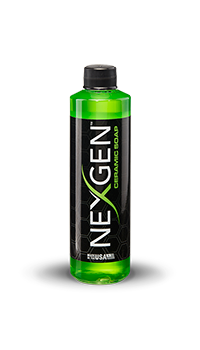
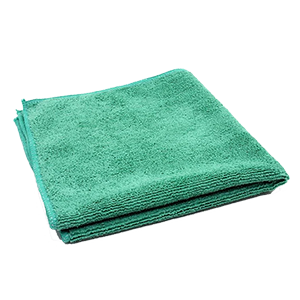
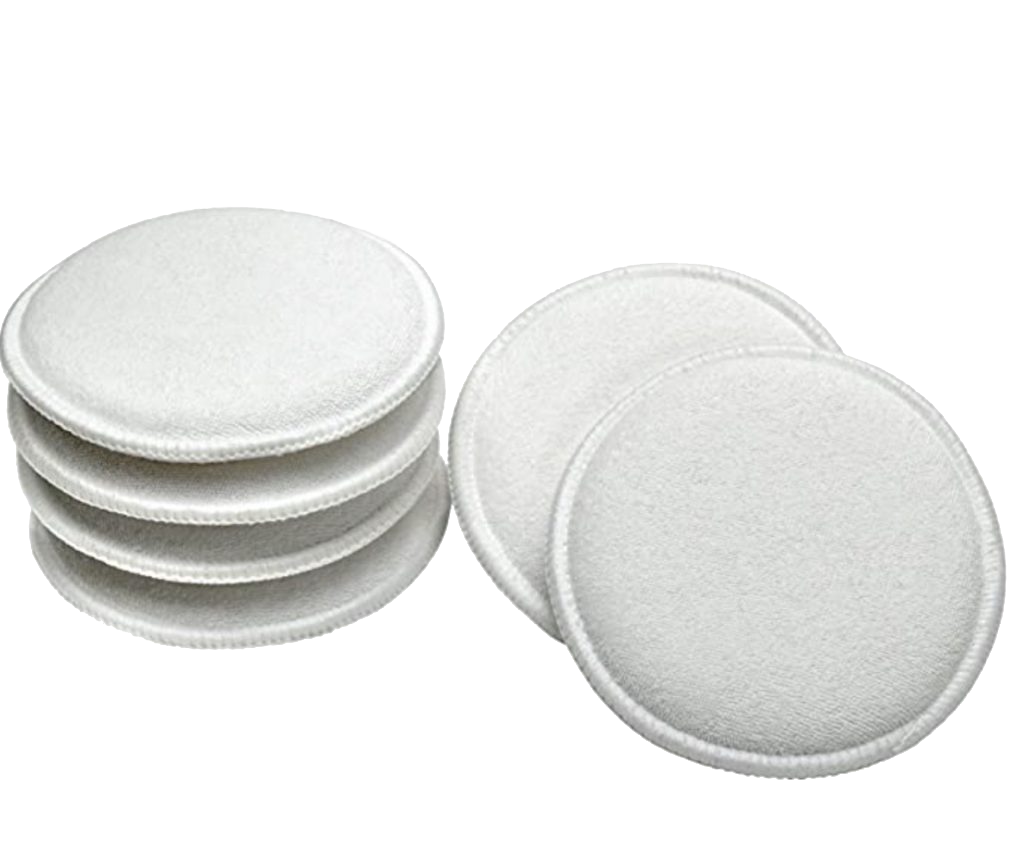
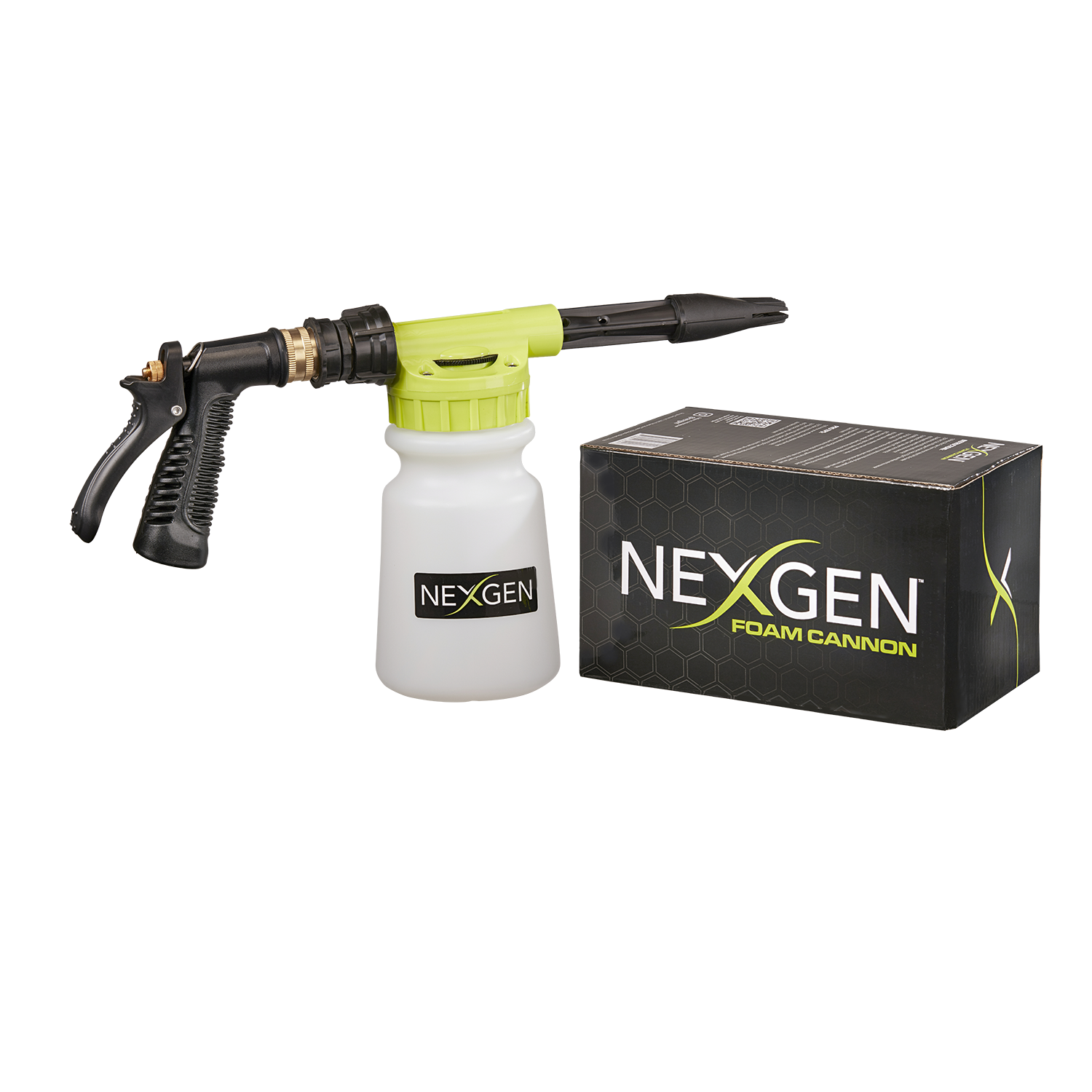
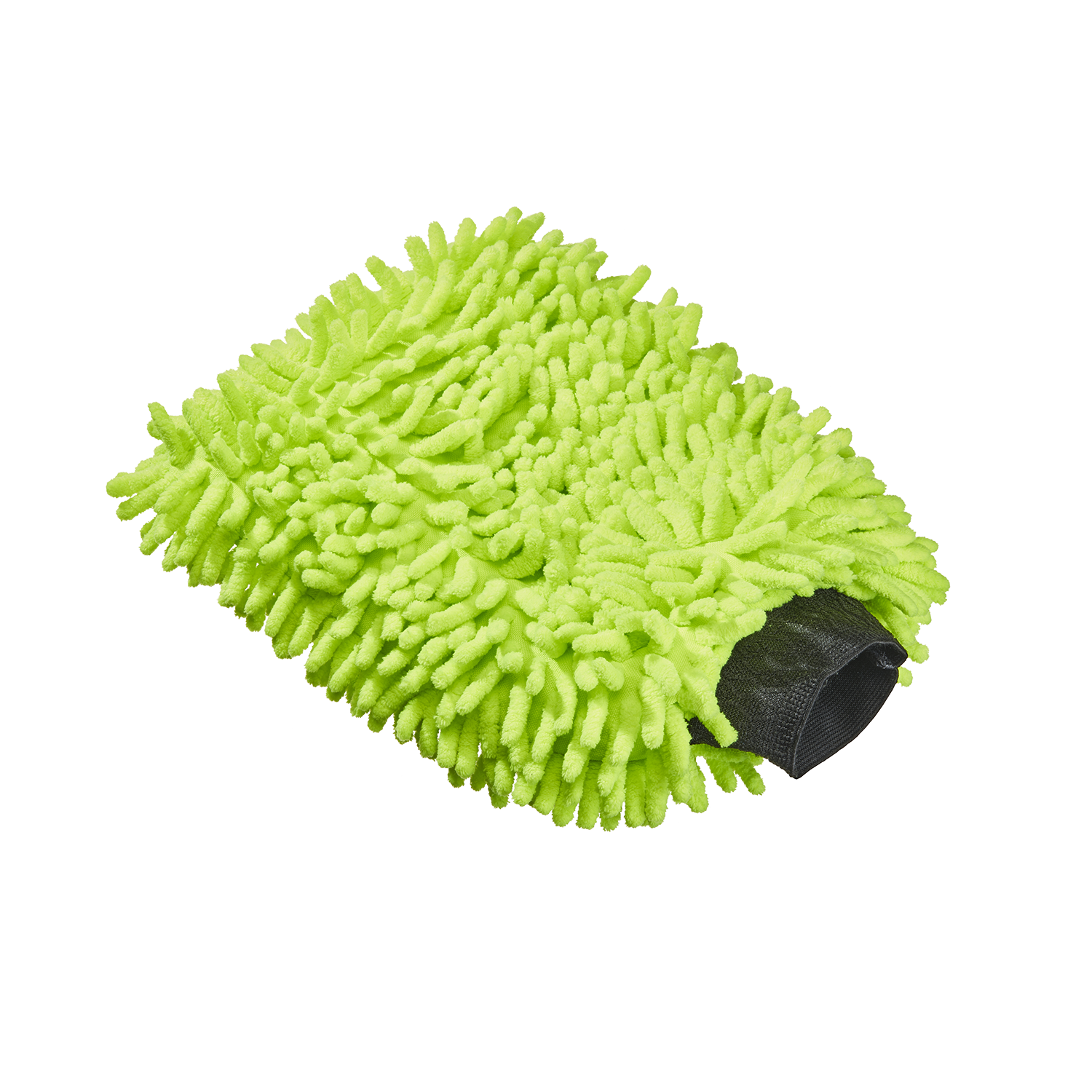
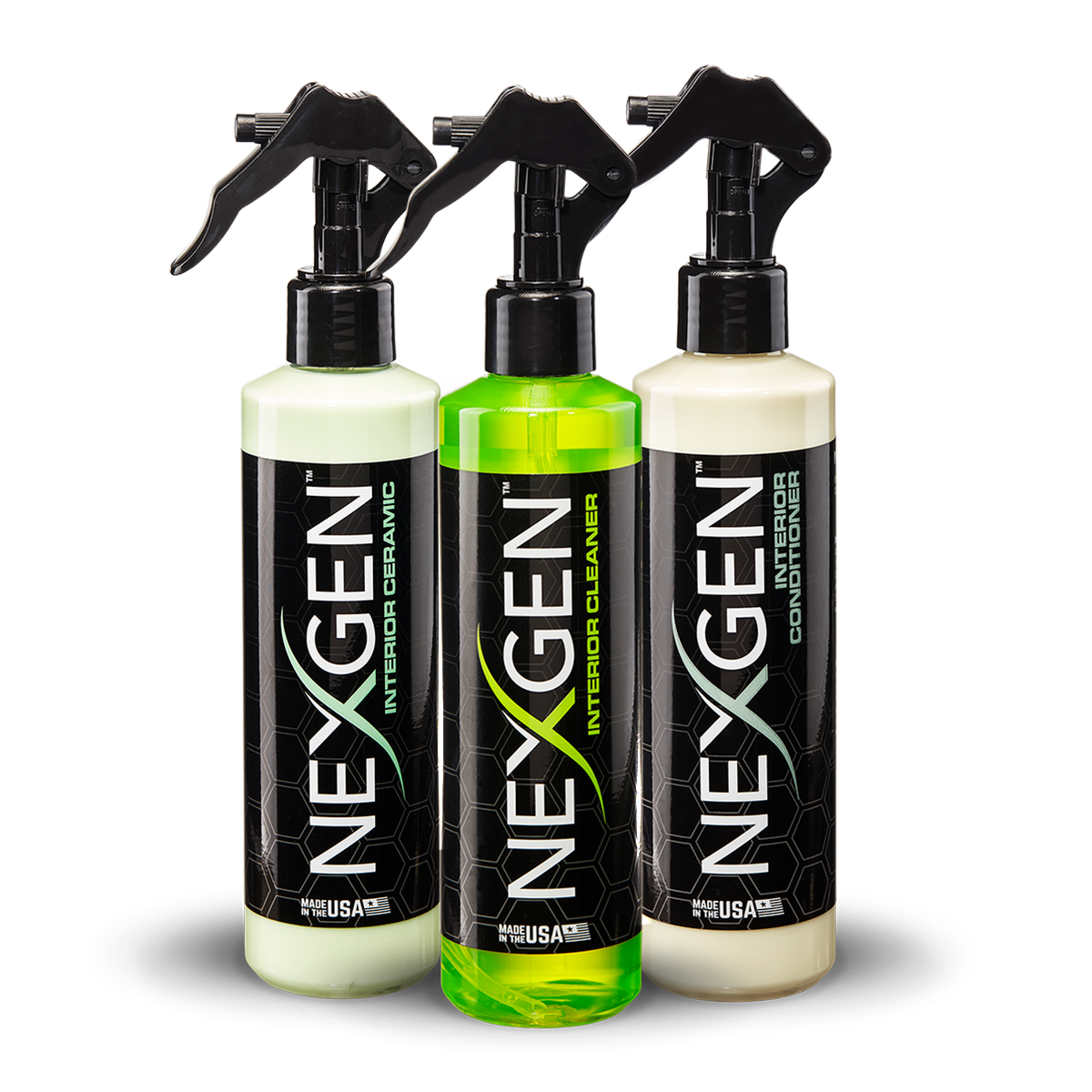
How to Remove Smoke Smell From a Car (Step by Step)November 2026 How to Remove Smoke Smell From a Car Smoke odor is stubborn because it is not just a smell in the air. Smoke leaves a sticky film of tar and residue on every surface, and the soft ones hold it longest: the headliner, seats, carpet, floor mats, and the cabin air filter. If you want to know how to remove smoke smell from a car permanently, the answer is to remove the residue instead of covering it with perfume. This guide covers the order that works, what each step does, and where air fresheners and ozone fit. It is based on our review of detailing guides, technician advice, and buyer feedback on odor products. It is not lab testing. Quick Answer: The Order That Works Every source we read agreed on the sequence: clean first, replace the filter, neutralize what's left, and only then consider ozone. Skipping ahead is the most common reason the smell comes back. Ozone on a smoke-saturated car with dirty surfaces tends to fail because the odor returns as the ozone fades. Step What it targets Effort Do it when Empty and vacuum Ash, butts, debris Low Always, first Deep clean soft surfaces Residue in seats, carpet, mats Medium Always Wipe hard surfaces and glass Tar film on plastic, vinyl, windows Medium Always Clean the headliner (gently) Smoke stored overhead Medium Always Replace the cabin air filter Smoke trapped in the HVAC path Low Always Baking soda Lingering odor in fabric Low After cleaning Ozone treatment Deep, persistent odor Medium Last resort, with precautions Step 1: Strip the Car Down Remove everything: trash, ashtray contents, floor mats, seat covers, and anything stored in the door pockets or trunk. Smoke odor lives in whatever is left behind, and loose items give it more surface area to cling to. Vacuum thoroughly, including under the seats, along the seat rails, and in the seams. Pull the mats out and clean them separately. Step 2: Deep Clean the Soft Surfaces Fabric seats and carpet hold the most odor you can actually reach. Use a quality interior cleaner and a soft brush, agitate gently, then blot or extract the moisture. Don't saturate the foam beneath the fabric, because damp padding invites a second smell. For a technique walkthrough, our guide to cleaning car seats in 5 easy steps covers brushing, extraction, and drying. For the full process from top to bottom, see the ultimate guide to cleaning a car interior. Leather and vinyl need a different approach: use a cleaner made for them, then condition afterward so the material doesn't dry out. Step 3: Wipe Down Hard Surfaces and Glass Smoke leaves a yellowish, tacky film on the dash, door panels, console, and especially the inside of the windows. That film keeps releasing odor, and you can feel it when you drag a clean towel across the glass. Wipe plastics and vinyl with an interior cleaner and a clean microfiber towel, switching to a fresh side often. Clean the inside of the glass until the towel comes away clean. Smoke film is also why interior windows fog more easily. Our guide to preventing car windows from fogging up explains how a clean interior surface helps. Don't forget the steering wheel, shifter, vents, and seat belts. Wipe belts lightly with a damp towel and let them dry fully extended. Good microfiber is worth having for this job. Browse the Nexgen detailing accessories for towels and applicators that suit interior work. Step 4: Treat the Headliner Carefully Multiple sources point to the headliner as one of the biggest smoke reservoirs, and it is the step most people skip. Warm smoke rises and soaks into the fabric overhead. The catch is that a headliner can't be soaked. The adhesive that holds the fabric to the roof can fail if it gets wet, causing sagging. So: Lightly mist an interior cleaner onto a microfiber towel, not onto the headliner. Dab and wipe in one direction, with light pressure. Follow with a dry towel and let the car air out with the doors open. If the headliner is heavily saturated, this is where a professional detailer earns their fee. Step 5: Replace the Cabin Air Filter The cabin air filter pulls air through your vents, and over time it collects smoke particles. If you clean everything else and leave the old filter in, the first blast of heat or AC can bring the smell right back. Replacement is usually quick and inexpensive on most vehicles, and your owner's manual will show the location, often behind the glove box. A charcoal (activated carbon) filter is often recommended for odor, though some drivers note that the filter doesn't help much if you mostly run the car on recirculation. It is still the right move after a smoker's car. Step 6: Neutralize What's Left Once the car is clean, tackle the faint remaining odor. Baking soda. Sprinkle it over dry carpets, seats, and mats, leave it for several hours or overnight, then vacuum it up. It is a useful finishing step, not a cure by itself. It works well because the surfaces underneath are already clean. Odor eliminators. Smoke-specific sprays and foggers are widely sold. In the roundups we read, Ozium is the product most often named for cigarette smoke, while Meguiar's Whole Car Air Re-Fresher shows up with strong Amazon numbers, around 4.4 stars across tens of thousands of ratings in the sources we checked. We did not confirm current star counts directly. Some buyers say certain Meguiar's scents don't fully eliminate heavy smoke, and several reviews treat scent-forward products like Chemical Guys New Car Smell as odor covering rather than removal. Use these as the final touch, never as a substitute for cleaning. Step 7: Consider an Ozone Treatment (Last Resort) An ozone generator can break down odor molecules that cleaning can't reach, such as those lodged in vents and foam. It's the strongest DIY option, but only on a car that's already been cleaned. Typical guidance from the sources we read: Run the car's air on recirculation so ozone reaches the ventilation system. Keep windows closed during treatment, with a run time of roughly one to two hours depending on the unit. Air the car out thoroughly afterward. Keep people, pets, and plants out of the car during treatment. Ozone is harsh on lungs and can damage rubber and some interior materials with overuse. Follow the manufacturer's instructions for your specific unit. Results vary. Fresher smoke odor generally responds better, and heavily smoked cars may need professional help. Keep the Smell From Coming Back Once you've cleaned up, protect the work: Don't let anyone smoke in the car again, even occasionally. Wash or replace floor mats regularly. Keep a fresh cabin air filter on a service schedule. Wipe interior glass periodically so film doesn't build up. If you're new to detailing a whole car, our beginner's guide to car detailing lays out the tools and order of work, and the Nexgen blog has more how-tos. Once the interior is fresh, don't neglect the outside; a protected exterior finish makes the whole car feel new. You can find Nexgen products at the official store at getnexgen.com, on Amazon through Nexgen's official storefront, at O'Reilly Auto Parts (in-store and oreillyauto.com), and at select Walmart locations. FAQ How long does it take to get smoke smell out of a car? A light smell can be handled in a weekend with a thorough clean, a new filter, and baking soda. Heavy, long-term smoke may need repeated cleaning, an ozone treatment, or a professional detail. Will an air freshener remove smoke smell? No. Air fresheners mask odor. Smoke residue stays on the surfaces and the smell returns once the fragrance fades. Clean first, and use fresheners only as a finishing touch. Does baking soda really work on smoke smell? It helps absorb lingering odor after cleaning, but it is a supporting step. By itself it won't remove smoke residue from seats, carpet, or the headliner. Is an ozone generator safe for my car? It can be, if you follow the manufacturer's instructions, keep people, pets, and plants out during treatment, and ventilate thoroughly afterward. Overuse can harm interior materials, so treat it as a last resort rather than a first step. Should I replace the cabin air filter? Yes. It traps smoke particles and can reintroduce the smell through the vents if you leave it in place. Back to blog