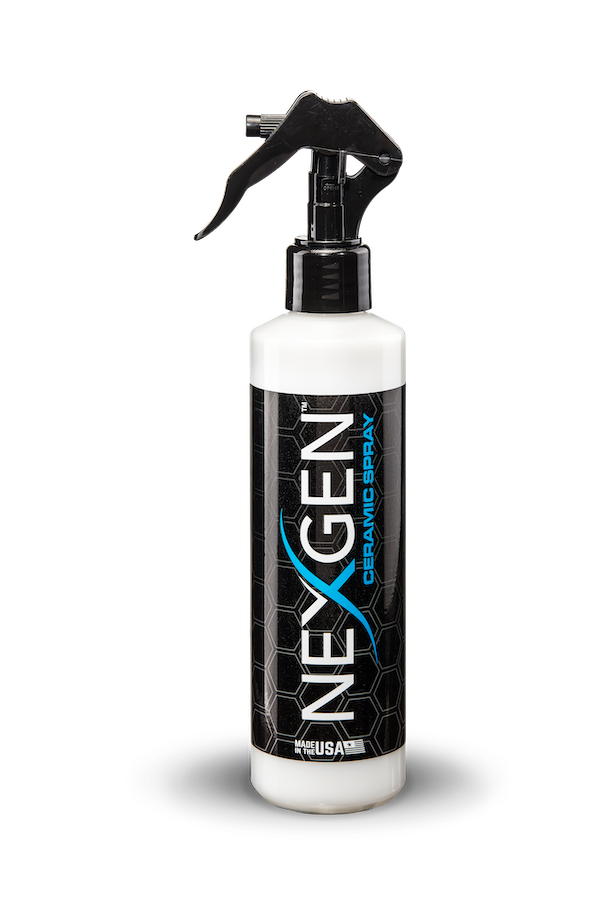
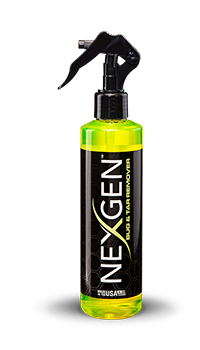
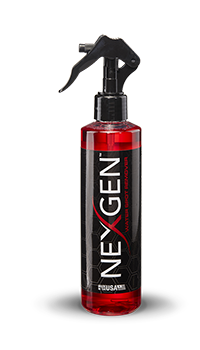
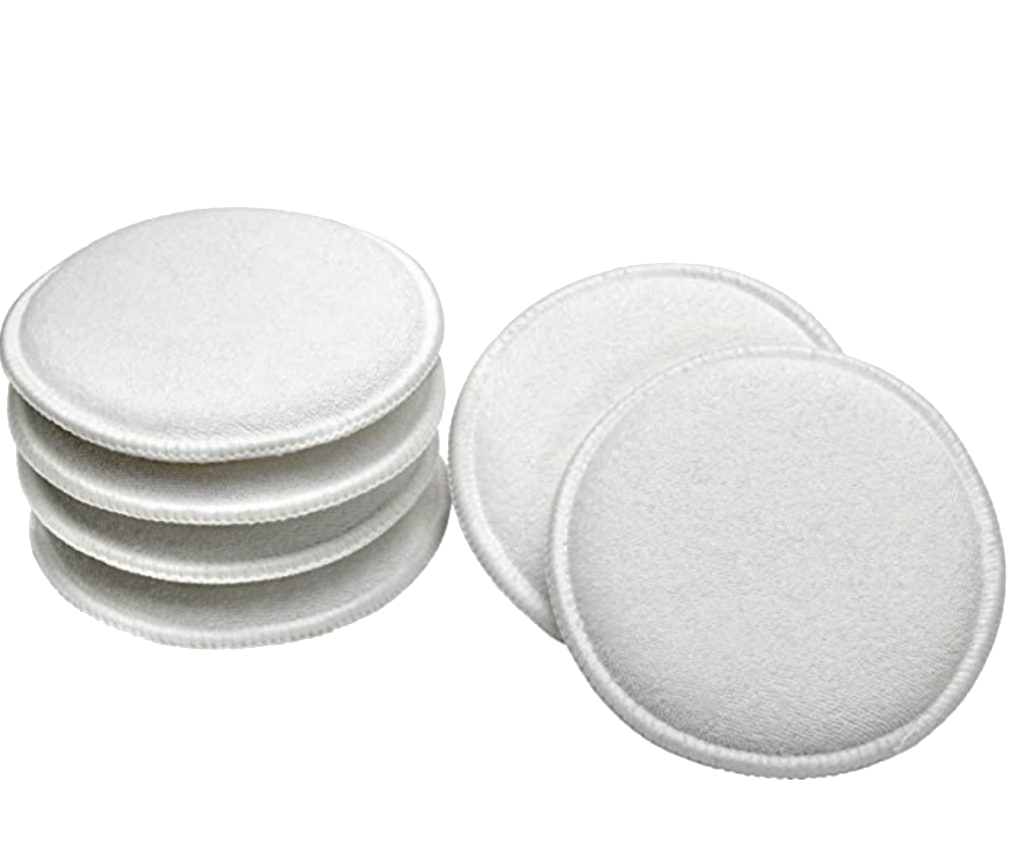
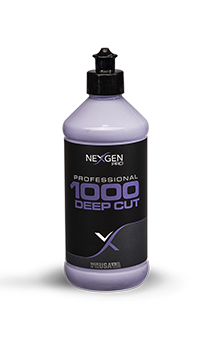
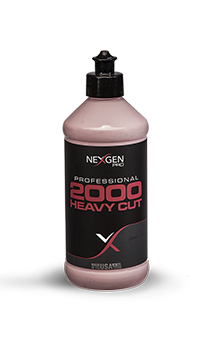
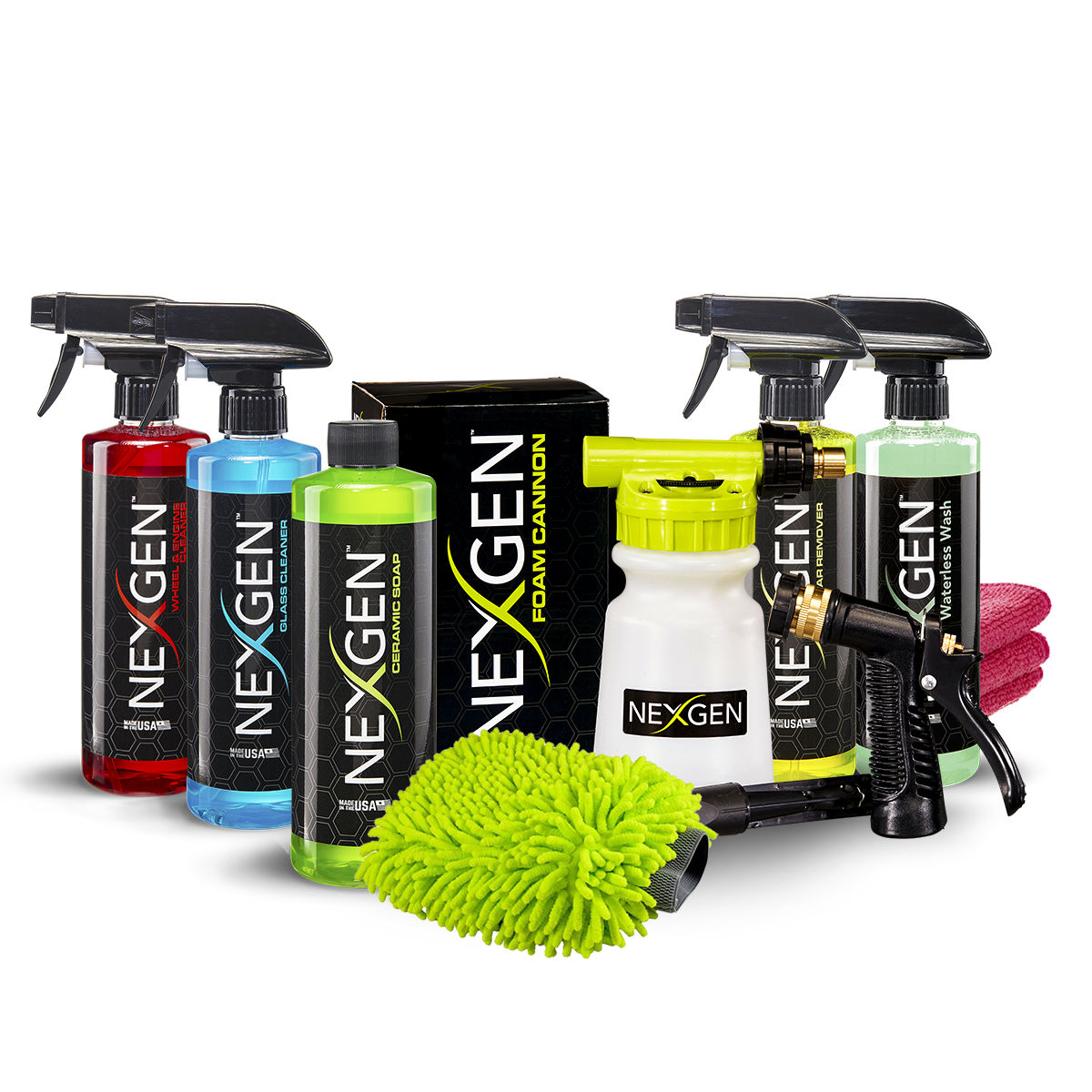
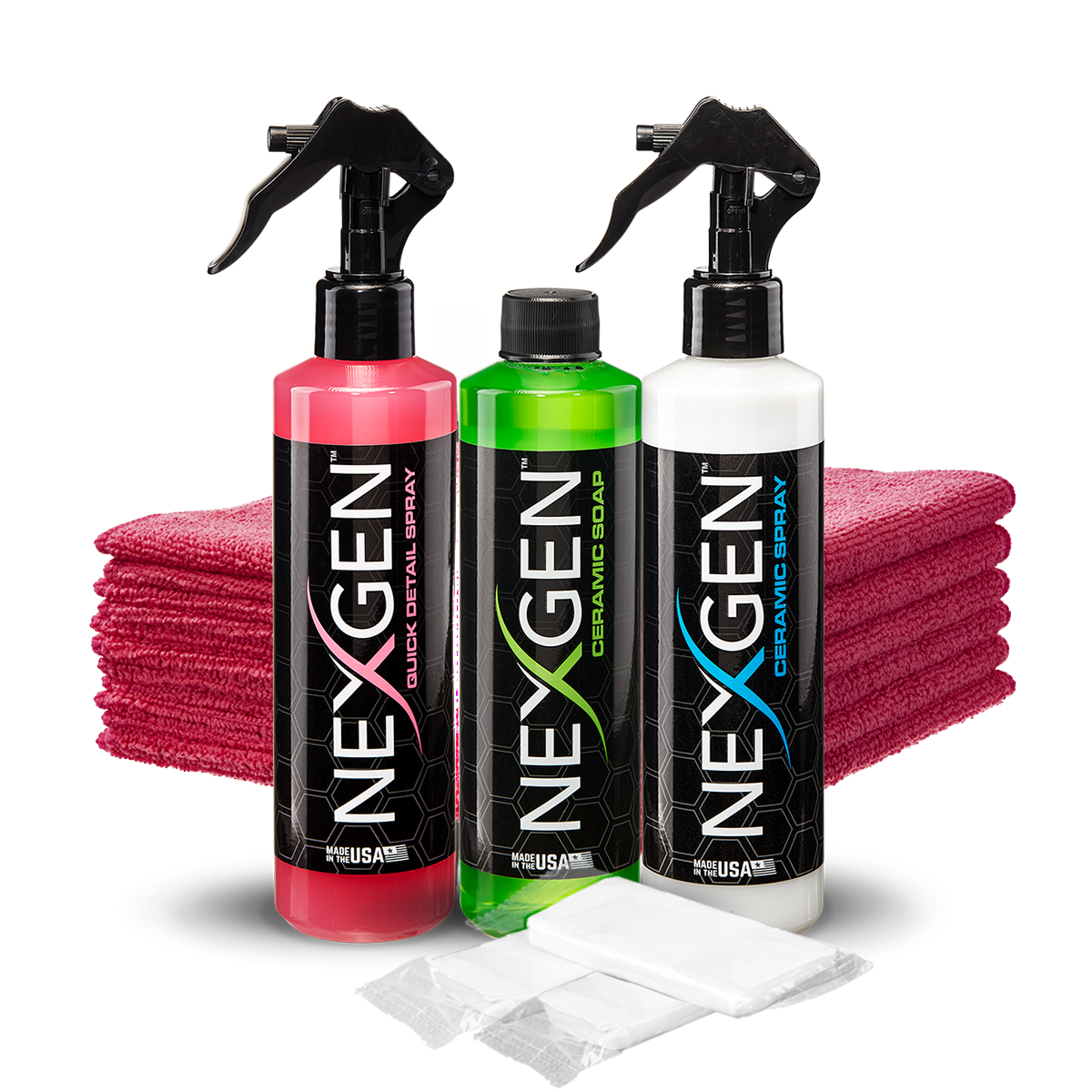
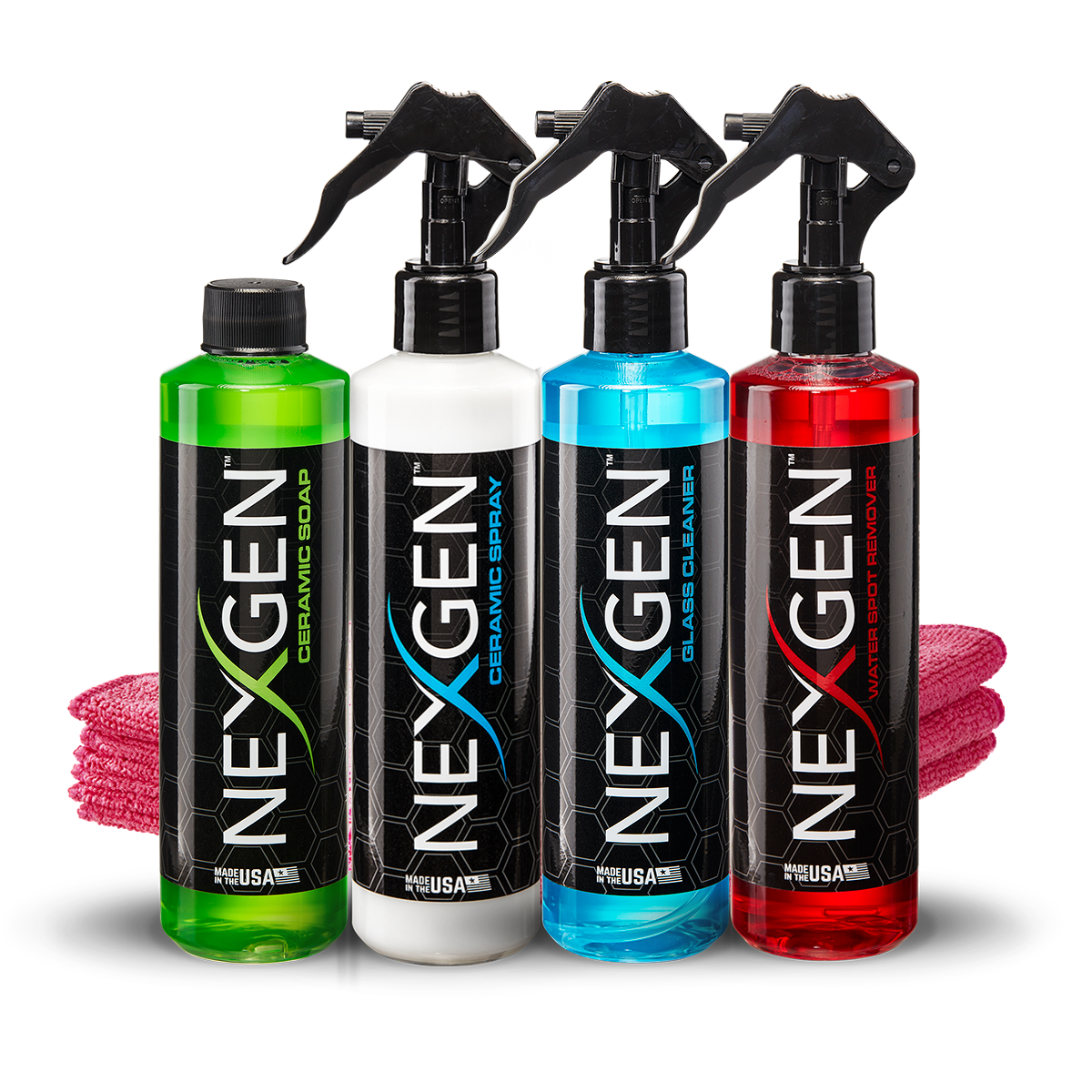
How to Remove Tree Sap and Bird Droppings from Car PaintJuly 2026 How to Remove Tree Sap and Bird Droppings Without Damaging Your Paint Tree sap and bird droppings look like minor annoyances. They are not. Left on your car's paint for more than a few hours — especially in summer heat — both contaminants begin a chemical attack on your clear coat that can leave permanent etching. The fix can go from a quick wipe to a full paint correction job, simply based on how quickly you act. This guide covers everything: why these contaminants are so destructive, how to remove them safely at every stage of damage, and how to protect your paint so the next deposit wipes off in seconds. --- Why Tree Sap and Bird Droppings Are Serious Paint Hazards Bird Droppings and Uric Acid Bird droppings contain uric acid at a pH of roughly 3–4.5. That places them solidly in the corrosive range. The moment a dropping lands on warm paint, the acid begins dissolving the clear coat. Sun heat dramatically accelerates this process. Based on widely documented detailing experience and collision center guidance, the damage timeline roughly follows this pattern: Under 2 hours: No visible damage. Wipes off cleanly. 2–12 hours: Etching begins. A faint outline may remain after removal. 12–48 hours: Visible staining and etching — light polishing required. 48+ hours (especially in summer sun): Deep etching that may need professional paint correction or compounding to address. A dropping that causes minor surface etching in cool weather can penetrate to the base coat within six hours on a 90°F day. Tree Sap Sap is a different kind of threat. It bonds physically and chemically to the clear coat as it hardens. The longer it cures in the sun, the tighter that bond becomes — and attempting to scrape off hardened sap without the right product can peel clear coat with it. The acids in fresh sap also etch clear coat over time, compounding the problem. --- Removal at a Glance Contaminant Condition Best Method Dwell Time Bird droppings Fresh (under 2 hrs) Damp microfiber, quick detailer 30–60 sec Bird droppings Dried/baked on Nexgen Bug & Tar Remover 1–5 min Tree sap Fresh/tacky Nexgen Bug & Tar Remover or 70–90% IPA 2–5 min Tree sap Hardened/cured Nexgen Bug & Tar Remover (extended soak) + clay bar Up to 15 min Etched paint (light) After removal Scratch and Swirl Remover / polish Per product --- What You'll Need Before you start, gather these supplies: Nexgen Bug and Tar Remover — the concentrated, paint-safe formula that handles sap, droppings, tar, and bugs without aggressive scrubbing Several clean microfiber cloths (the more the better — use a fresh section for each pass) A spray bottle of clean water or a quick detailer A clay bar kit with clay lubricant (for hardened sap) 70–90% isopropyl alcohol (backup for light sap deposits) A car wash shampoo for the final rinse stage Optional: Nexgen Ceramic Spray for protection afterward If you're working in direct sunlight, move the car to shade first. Solvents and dwell-based products evaporate too fast in direct sun, and warm paint is more vulnerable to scratching. --- How to Remove Bird Droppings: Step by Step Step 1: Hydrate the Deposit First Never scrape or wipe a dry dropping. Bird waste contains seeds, grit, and hardened uric acid crystals that will scratch paint on first contact. Saturate a folded microfiber cloth with clean water, lay it over the dropping, and let it sit for 30–60 seconds. This softens the deposit enough to lift without grinding debris across the clear coat. Step 2: Apply Nexgen Bug and Tar Remover For anything beyond the freshest, softest droppings, spray Nexgen Bug and Tar Remover directly onto the area. The formula's surfactant-and-solvent blend penetrates under the dropping and breaks the bond with the clear coat without requiring scrubbing. Let it dwell for one to five minutes depending on how dried-on the deposit is. Step 3: Lift, Don't Scrub Using a clean, damp microfiber, dab and lift — do not rub back and forth. Fold the cloth to a fresh section after each pass so any trapped grit is never dragged across the paint twice. Repeat as needed. Step 4: Rinse and Inspect Rinse the area with water or wipe with a clean damp cloth to remove any product residue. Inspect the paint from multiple angles in natural light. If you see a faint etching ring or stain, move to the paint correction step below rather than calling it done. --- How to Remove Tree Sap: Step by Step Fresh or Tacky Sap Fresh sap — still sticky, not yet fully cured — responds well to Nexgen Bug and Tar Remover or 70–90% isopropyl alcohol on a microfiber cloth. Spray the product directly on the sap blob, let it dwell for two to three minutes, then gently wipe with a clean microfiber using minimal pressure. Follow with a rinse. Hardened or Cured Sap This is where most people make the mistake of reaching for a plastic scraper or their fingernail. Don't. Instead: Spray generously with Nexgen Bug and Tar Remover. For thick, cured deposits, cover the entire blob and surrounding area. Let it soak for 5–15 minutes. The product needs time to penetrate the hardened resin layers. Re-spray if the surface looks dry. Gently agitate with a damp microfiber using light, circular pressure. You should feel the sap begin to release rather than requiring force. Follow with a clay bar. Even after the bulk sap is removed, a sticky residue and chemical haze often remain bonded to the clear coat. Lubricate the area with clay lube and glide a clean clay bar across in straight, overlapping passes. The clay will pull off any bonded residue that the solvent couldn't dissolve. Fold the clay frequently to expose a clean face. Rinse thoroughly and dry with a fresh microfiber. For a broader look at effective decontamination products, the 10 best bug removers for cars roundup covers the landscape in detail. --- What to Do If the Paint Is Already Etched If you notice a dull ring, stained halo, or textured dimpling after cleaning, the acid has already worked into the clear coat. This requires paint correction, not just cleaning. Light etching (surface staining with no texture change) responds well to a polish. Nexgen Scratch and Swirl Remover is formulated to remove light clear coat defects and works well applied by hand with a microfiber applicator pad, using firm circular passes over the affected area. For more on the technique, the beginner's guide to car detailing walks through polishing fundamentals step by step. Deeper etching — where the surface feels textured or you can see actual material removal in the clear coat — calls for a cutting compound. Nexgen 1000 Deep Cut is designed for exactly this scenario: removing heavier clear coat damage through machine or hand application before finishing with a finer polish. For the full process of identifying and correcting this kind of damage, see the scratch removal guide. If the clear coat is fractured, wrinkled, or showing swelling patterns around the etch site, the damage has gone beyond DIY correction and the panel will need professional attention or repainting. --- Protect Your Paint After Every Removal Sap and bird dropping removal strips away any wax or sealant that was protecting the area. The clean paint left behind is bare and vulnerable. As a final step, apply Nexgen Ceramic Spray over the affected area and buff to a finish. The high-SiO2 formula lays down a hydrophobic shield that causes future deposits to bead up and release instead of bonding — making the next cleanup a 60-second wipe rather than a 15-minute project. --- Frequently Asked Questions How long do I have before bird droppings permanently damage paint? Act within two hours and there's no lasting damage. Between two and twelve hours, light etching can begin. Beyond 24 hours — especially in direct sun — visible etching is likely and polishing will be needed to correct it. Can I use WD-40 to remove tree sap? WD-40 can loosen fresh sap in a pinch, but it leaves an oily residue that attracts dirt and degrades wax coatings. A dedicated product like Nexgen Bug and Tar Remover is safer, more effective, and won't compromise your existing protection. Is it safe to remove sap from a ceramic-coated car? Yes, with the right product. Avoid alcohol-based products used excessively, as they can weaken some ceramic coatings over time. Nexgen Bug and Tar Remover is formulated to be safe on coated surfaces. Follow up with Nexgen Ceramic Spray to refresh the coating's hydrophobic layer. Will a regular car wash remove tree sap or bird droppings? A standard wash will remove very fresh, soft droppings. It will not remove dried bird waste or hardened sap — and the brushes and agitation of a machine car wash can actually scratch paint when they force dried contaminants across the surface. A dedicated soak-and-lift method is always safer. What if I can still see an etching ring after polishing? If light polishing doesn't clear the stain, step up to a compound. If the stain persists after compounding, the damage has penetrated through the clear coat into the base coat, which requires professional color blending or panel repaint. Back to blog