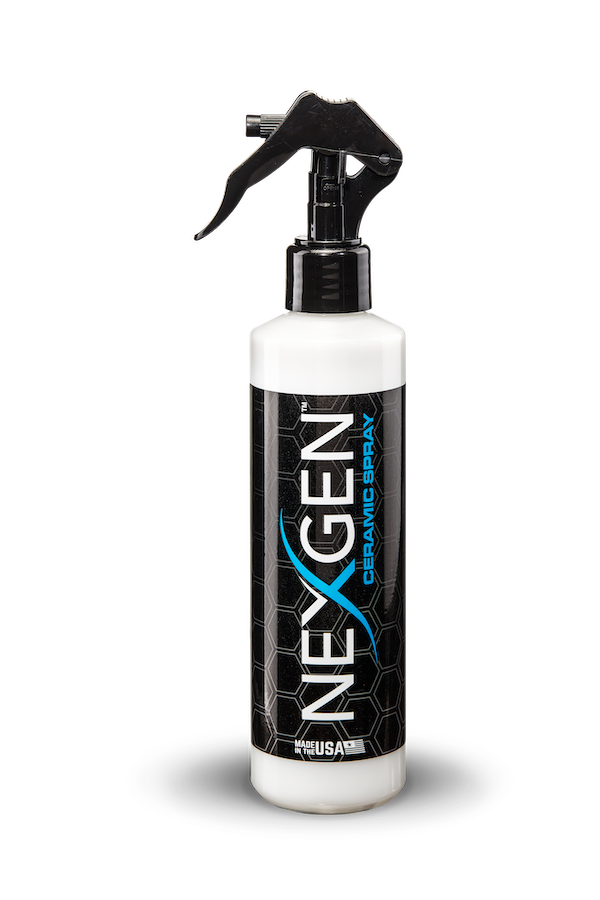
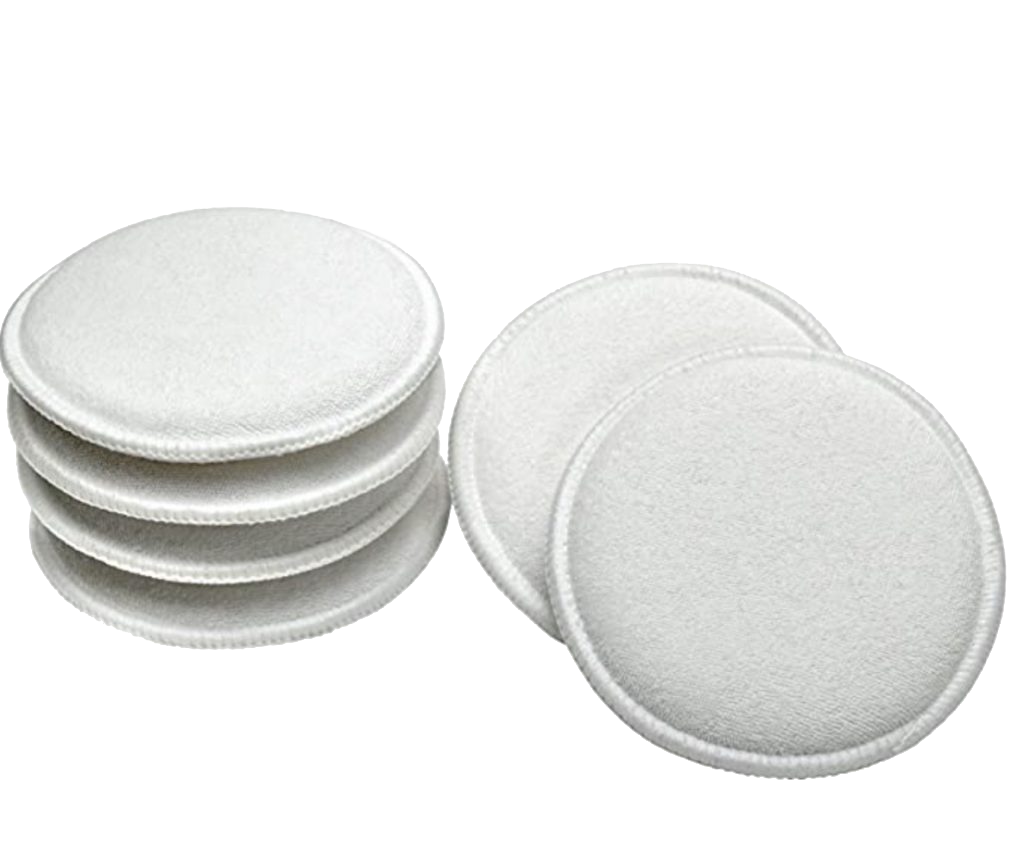
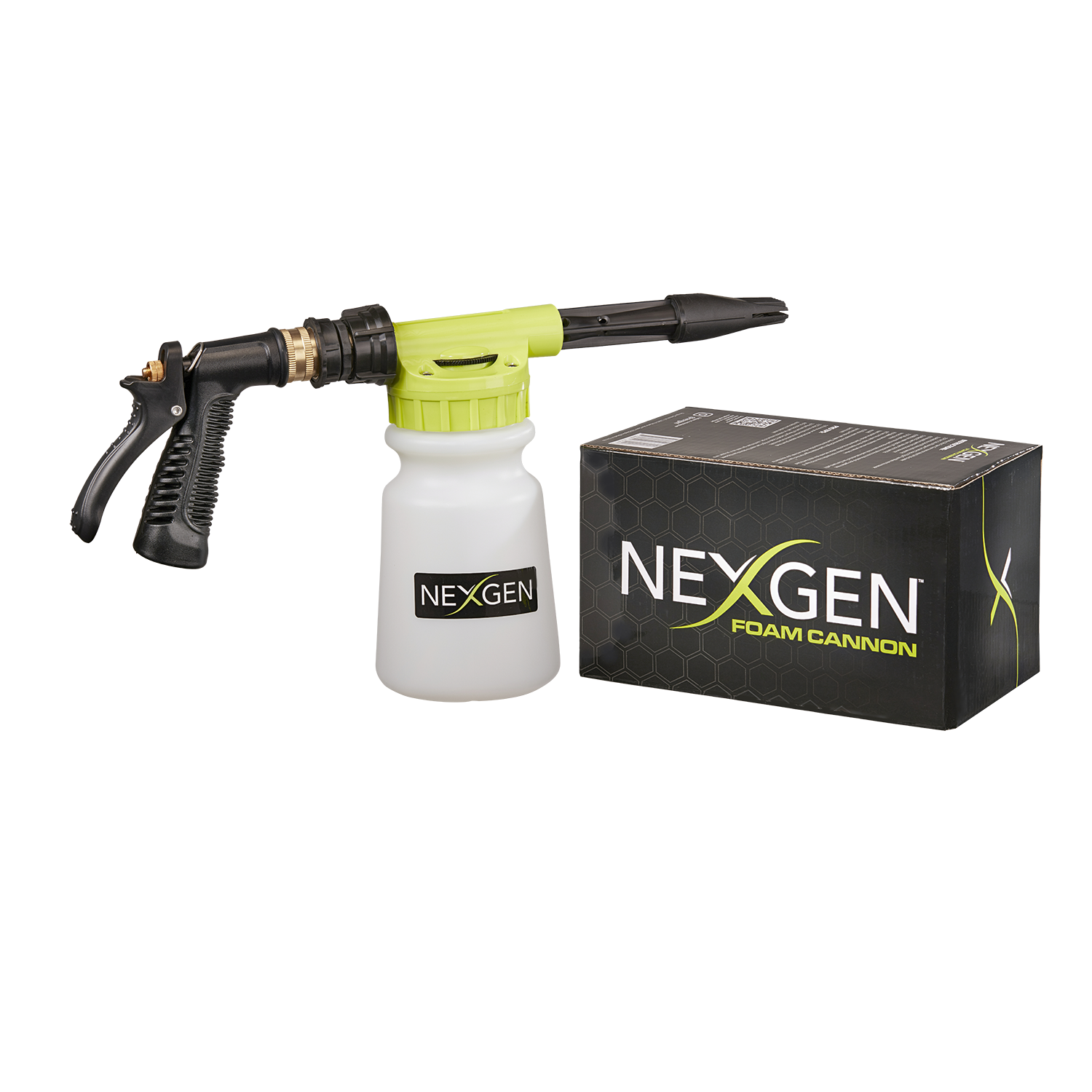
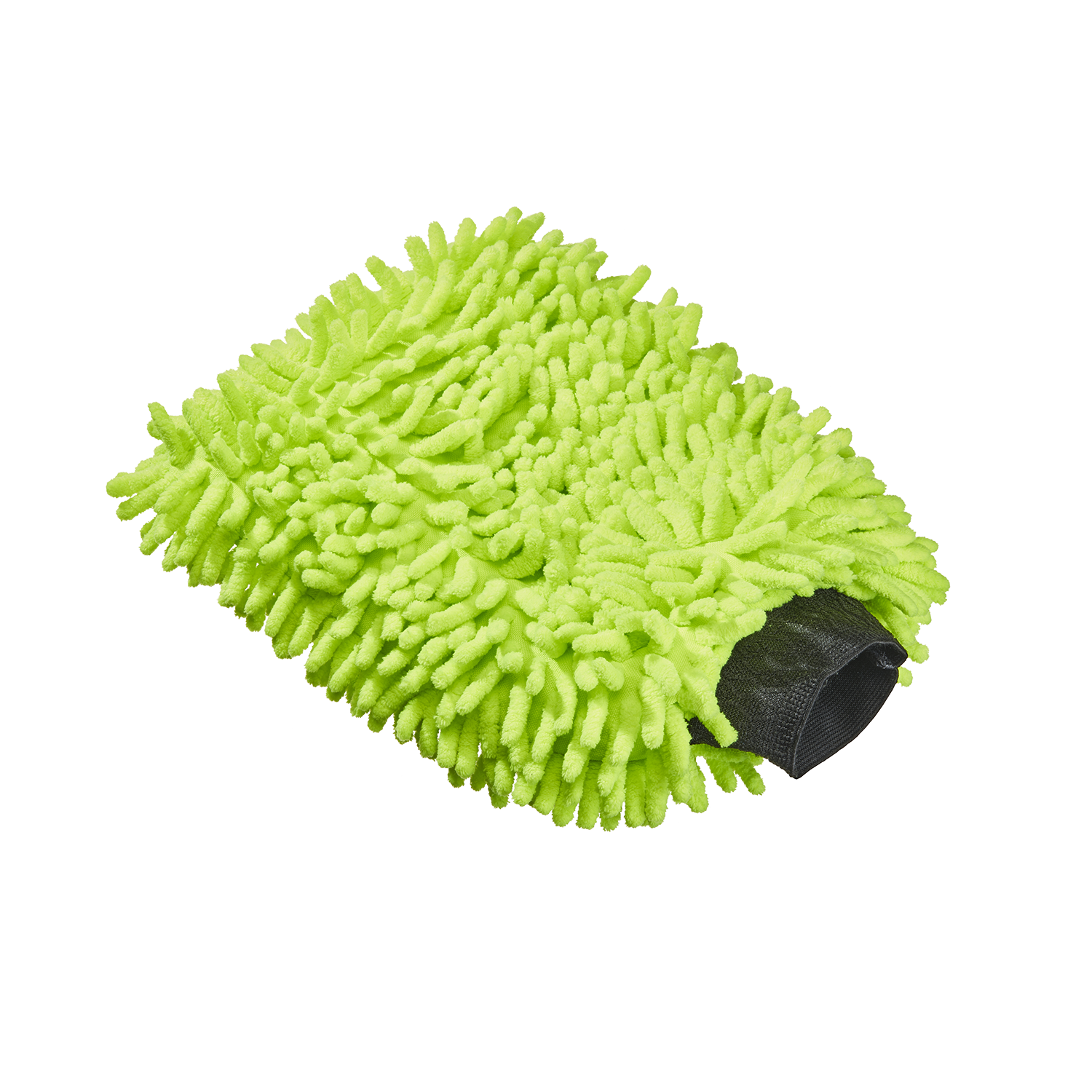
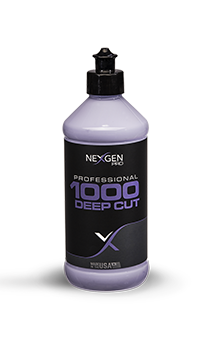
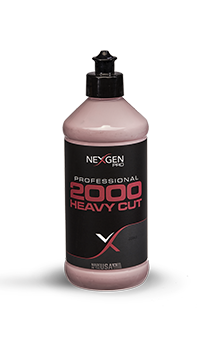
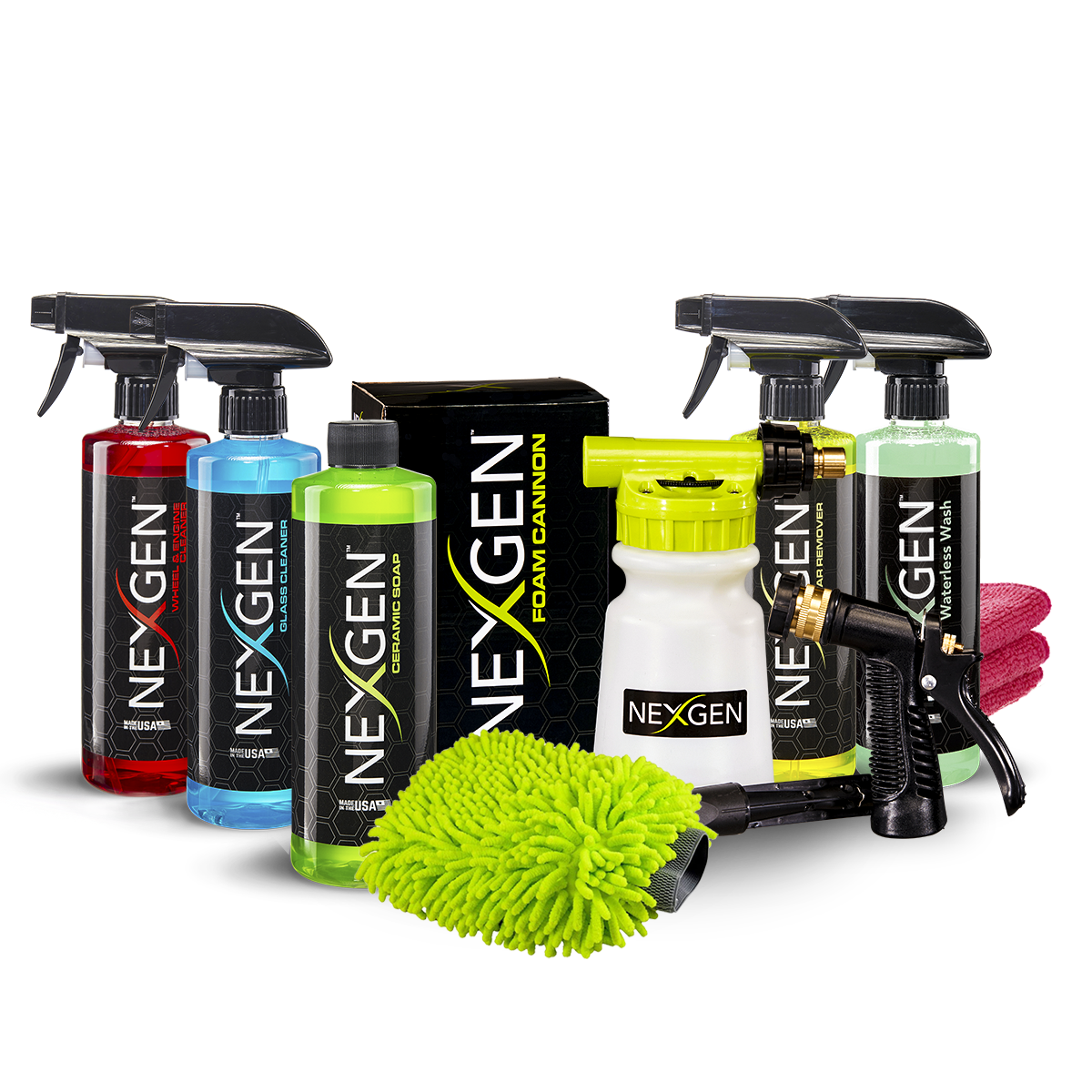
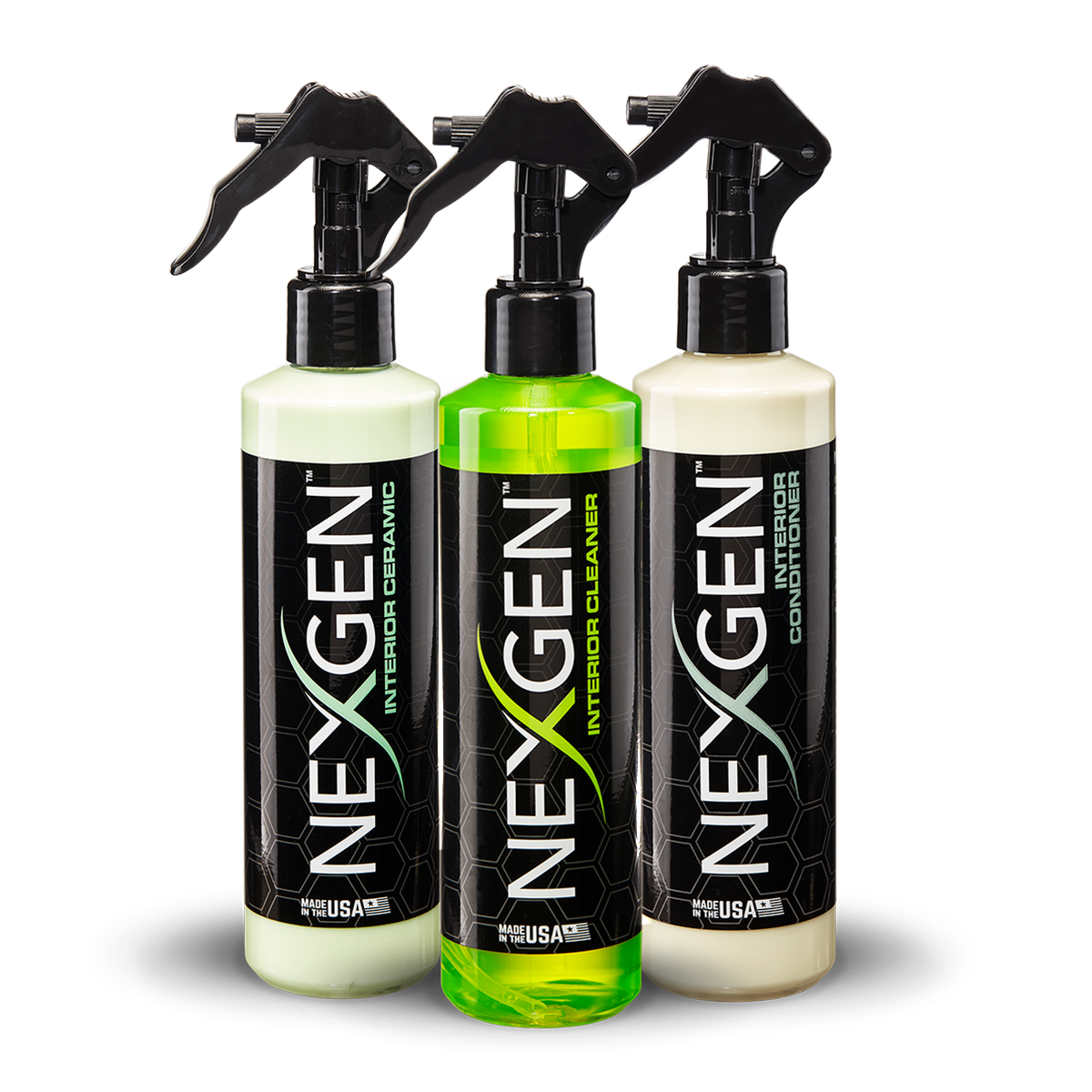
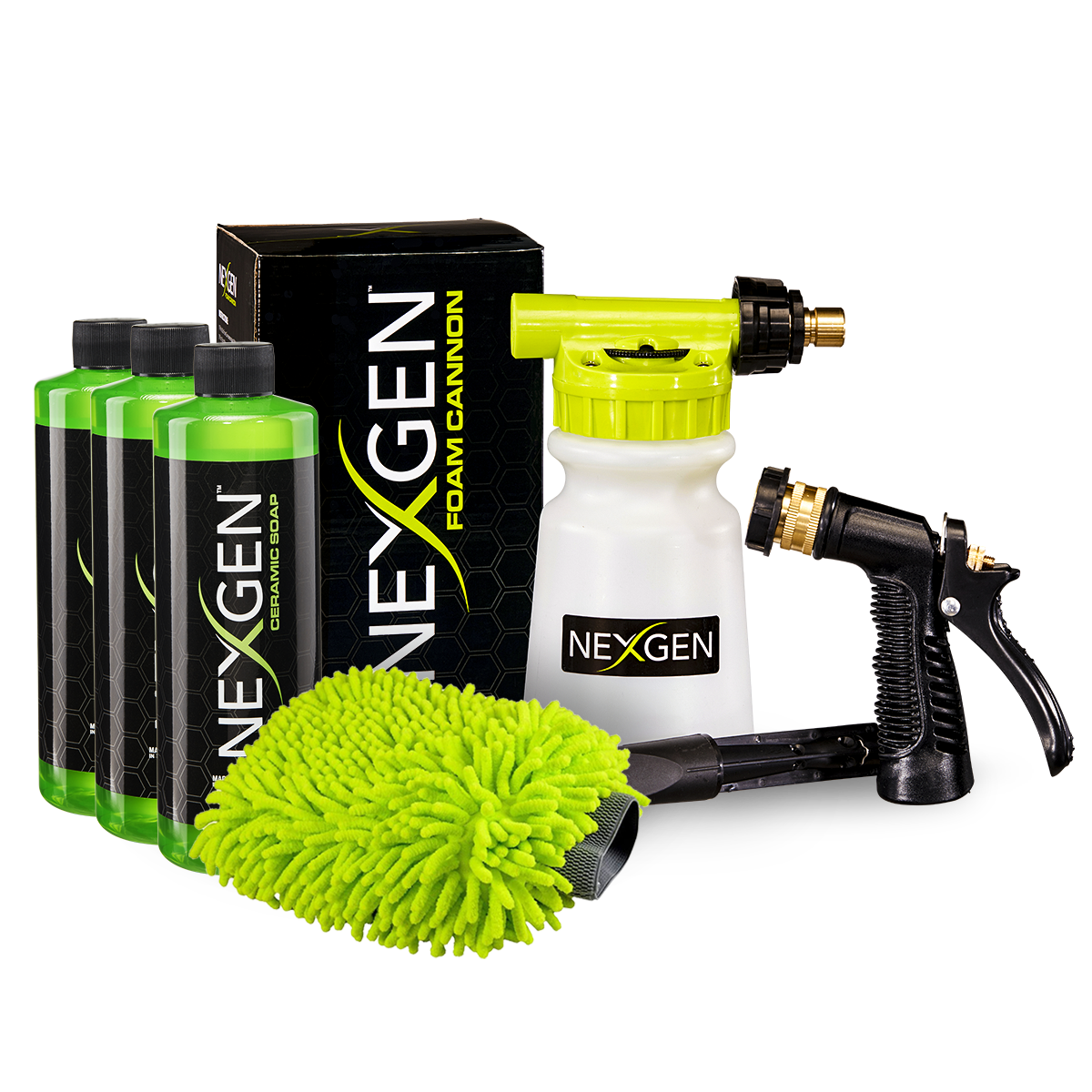
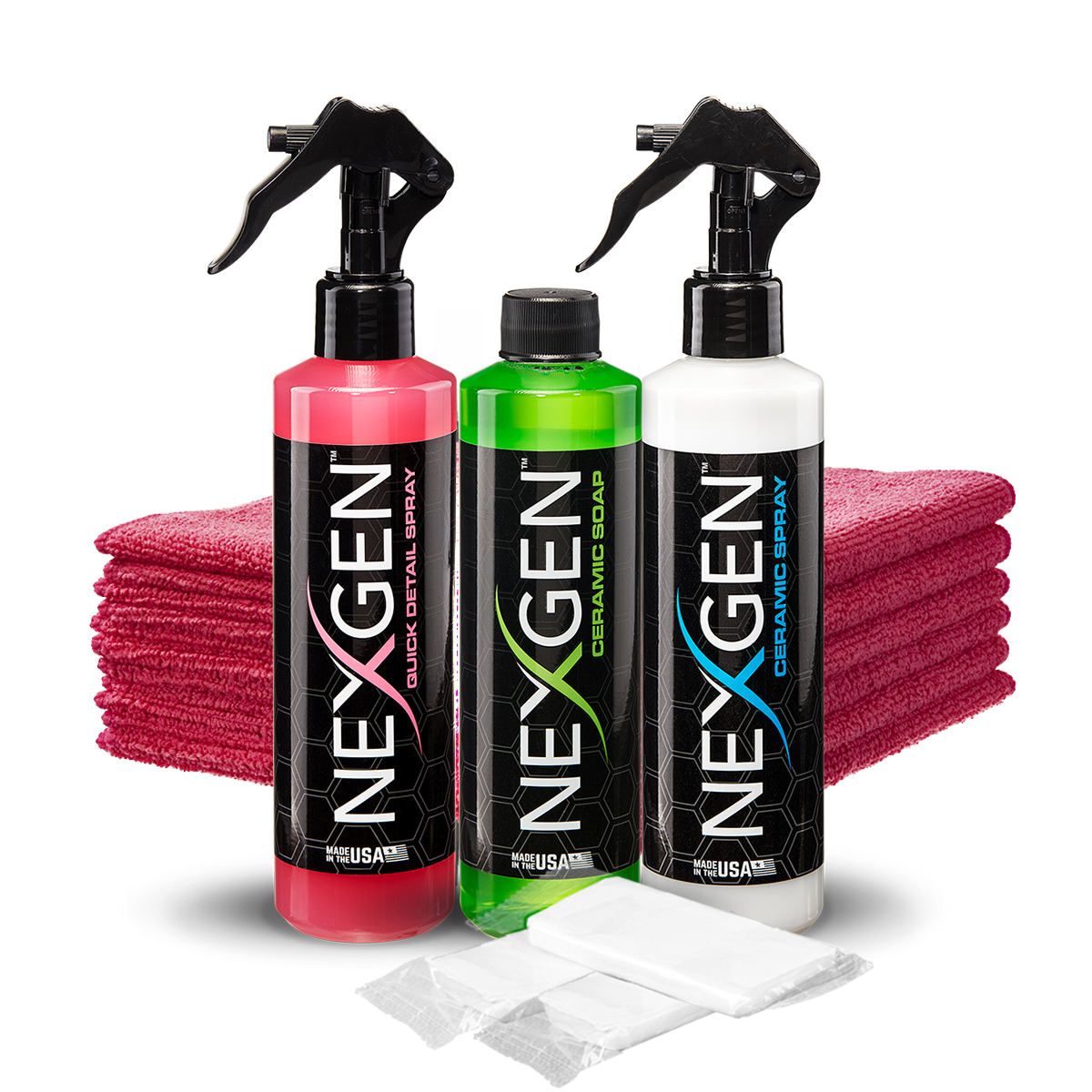
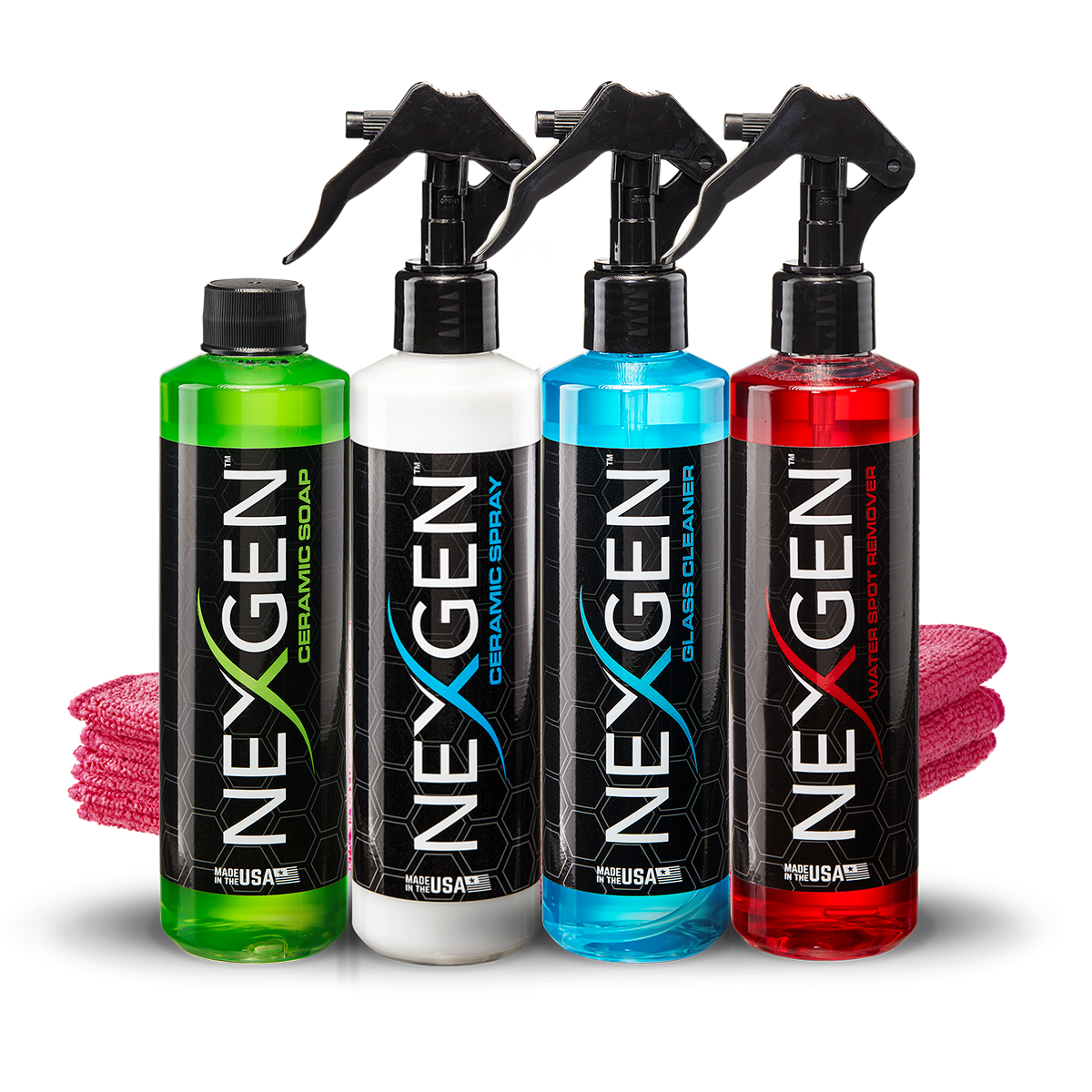
Winter Car Care: Protecting Paint From SaltNovember 2026 Winter Car Care: Protecting Paint From Salt Road salt does its damage slowly. A car can look fine in December and show dull clear coat, chips and early rust by March. Salt brine clings to paint, wheel wells and the underbody. It stays active in damp conditions and works into any chip or scratch it finds. This guide covers how to prep your paint before the first salt truck rolls out, how to wash safely when it's freezing, and how to keep a protective layer on the car all season. It's built from our review of detailing guidance and buyer feedback, not lab testing. The advice is consistent across the sources we read. Why Road Salt Is Hard on Paint Salt itself doesn't "eat" clear coat. The trouble comes from three things happening together: Salt holds moisture. Brine stays damp longer than plain water, so contact time on the surface goes up. Grit rides along. Gritty slush acts like sandpaper every time you wipe or wash carelessly. Chips become entry points. Any stone chip that reaches bare metal gives salt a path to start corrosion underneath the paint. Detailing and automotive sources agree on the basics: wash often, pay special attention to the underside, and keep a protective layer on the paint. Our job is to make that routine easy and repeatable. Step 1: Decontaminate Before Winter Protection only bonds well to clean paint. Before the cold sets in: Wash thoroughly with a pH-balanced car shampoo. Clay the paint if it feels rough after washing. Embedded fallout gives salt more to cling to, and a smooth surface sheds brine more easily. Fix defects first. Light swirls and haze are best corrected now. See our guide to removing scratches from a car, and for tired paint, our walkthrough on paint restoration using Nexgen products. Strip old wax if needed. If you're switching products, removing wax from a car leaves a clean base. For correction, the 1000 Deep Cut handles heavier defects, and the 2000 Heavy Cut is a strong next step in the polishing sequence. Step 2: Lay Down Your Protective Layer This is the most important prep step. A slick, sealed surface keeps salt and grime from bonding, so washing is faster and gentler. Wax: the classic choice A good wax adds a sacrificial barrier and deep gloss, and it also blocks UV. The tradeoff is that wax needs reapplying more often than a coating, so plan a top-up mid-winter. Ceramic spray: the easy modern layer Detailing sources consistently point to ceramic sprays as the simplest way to add a hydrophobic, salt-resistant layer without the commitment of a full coating. Nexgen Ceramic Spray is our top pick for this job. It's marketed around high SiO2 content for gloss and hydrophobic protection, and it's genuinely simple: spray, wipe, buff. Buyer feedback backs that up. On reviews.io, the 16 oz bottle shows roughly a 4.7 rating across several hundred reviews at the time we checked, and recurring praise centers on easy application and strong gloss. Many users describe a slick, glassy finish that makes winter washes quicker. Full ceramic coating: maximum commitment For heavy-salt regions, a full coating gives the longest-lasting barrier, but one detailing source notes it still doesn't protect bare metal in places like the undercarriage. Treat it as one layer in a system, not a shield against everything. Quick comparison Layer Best for Effort Winter role Nexgen Ceramic Spray Gloss plus hydrophobic protection Low Easy base layer and mid-season top-up Carnauba or sealant wax Warm depth and UV protection Low to medium Sacrificial barrier, reapply mid-winter Full ceramic coating Heavy-salt regions High Longest-lasting paint barrier Paint protection film Chip-prone fronts and rocker panels Professional install Physical stone-chip defense Step 3: Set a Winter Wash Schedule Recommendations vary from every 7 to 10 days when salt is on the road to about every two weeks in lighter conditions. A sensible rule: wash after any storm that leaves visible white residue, and don't let salt sit for weeks. Do: Rinse before you touch the paint. This lifts loose grit so your mitt doesn't drag it across the surface. Use the two-bucket method with a clean microfiber mitt. Wash wheels, tires and wheel wells. Tires throw salt back onto the lower panels. Spray the undercarriage thoroughly. This is where salt collects and does the most structural harm. Don't: Wash in direct freezing wind. Door seals and locks can freeze shut. Skip the rinse on a dirty car and wipe it dry. Pull a wet car into a freezing garage with the doors sealed. Dry the seals, then let it air out. If it's too cold for a driveway wash, a touchless or self-serve bay with an undercarriage spray is far better than leaving salt on the car. Step 4: Dry Thoroughly and Protect the Details Drying matters more in winter because leftover water freezes in gaps. Use a plush microfiber drying towel or a leaf blower to clear mirrors, handles and trim edges. Wipe door jambs and rubber seals, then treat the seals with a rubber conditioner so they don't stick or tear. Keep your cabin dry too. Salt tracked in on boots stains carpet, and winter moisture can fog glass. Our guide on preventing car windows from fogging up covers the interior side, and the leather care kit helps keep seats from drying out under cabin heat. Our detailing accessories collection has the towels, applicators and mitts that make this routine easier. Step 5: Handle Chips and the Underside Two jobs people forget: Touch up chips quickly. Sealing exposed metal early stops corrosion from spreading under the paint. Think about the underbody. Several sources recommend an annual rust-inhibiting treatment underneath, and one cautions against hard rubberized coatings that can trap moisture. Sources didn't agree on a single best product, so ask a local rust-proofing shop what suits your climate. Mid-Winter Maintenance Checklist Rinse salt off after each storm cycle, even if you can't do a full wash. Re-up your Ceramic Spray layer when water stops beading. Check seals and chips monthly. Keep microfiber clean. Salty, gritty towels scratch paint. Spring Reset When the last salt truck is gone, do a full decontamination wash, clay if the paint feels rough, inspect for new chips, and correct any marring before applying fresh protection. Treat it as the start of next winter's prep. Where to Buy Nexgen Products The official store at getnexgen.com, best for bundles, warranty and the full range Amazon (Nexgen's official storefront) O'Reilly Auto Parts, in store and at oreillyauto.com Walmart (select products) FAQ How often should I wash my car in winter? Every 7 to 14 days is the common range, and sooner after heavy salting. The undercarriage rinse matters most. Does ceramic spray stop salt damage completely? No. It reduces how well salt and grime stick and makes washing easier, but chips, unpainted metal and the underbody still need attention. Can I apply protection in cold weather? Most products prefer moderate temperatures and dry panels, so apply in a garage when you can, and check the product label for limits. Is a touchless wash okay in winter? Yes, especially with an undercarriage spray. It beats leaving salt on the car, though a hand wash is gentler on paint. Wax or ceramic spray for winter? Either helps. Ceramic spray is easier to maintain and gives slick, hydrophobic protection, and it's our go-to for winter prep. Want more step-by-step guides? Browse the Nexgen Detailing blog. Back to blog